Tell us about the job
Takes about a minute. No obligation.
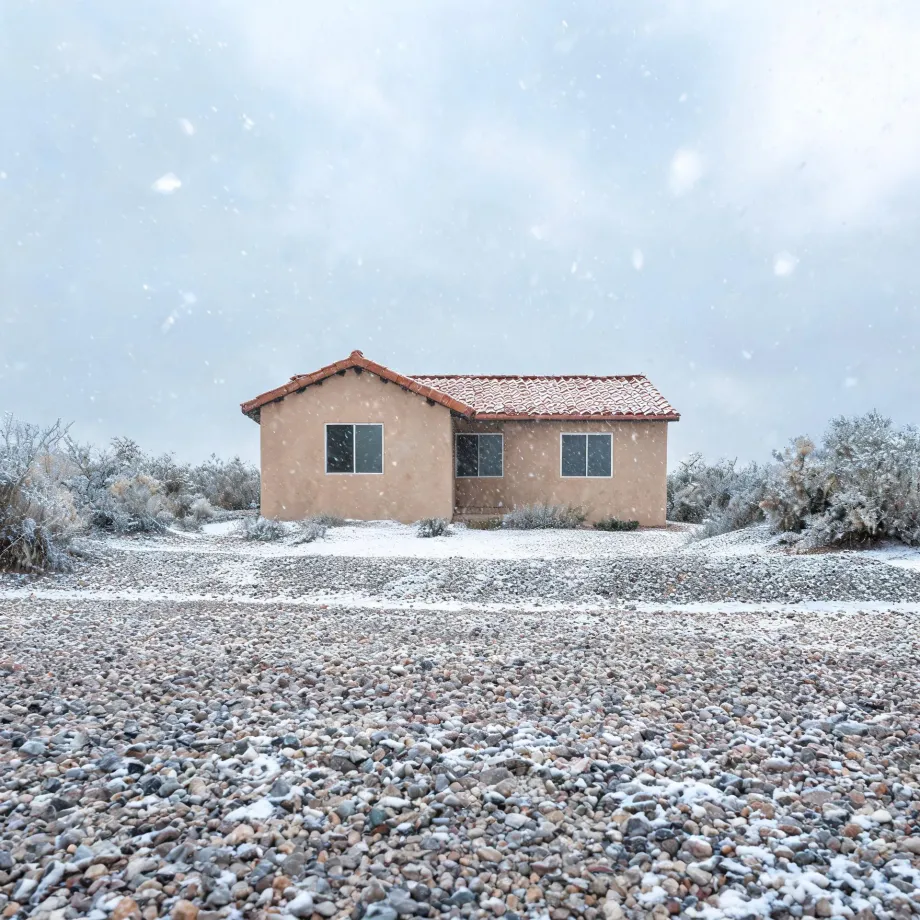
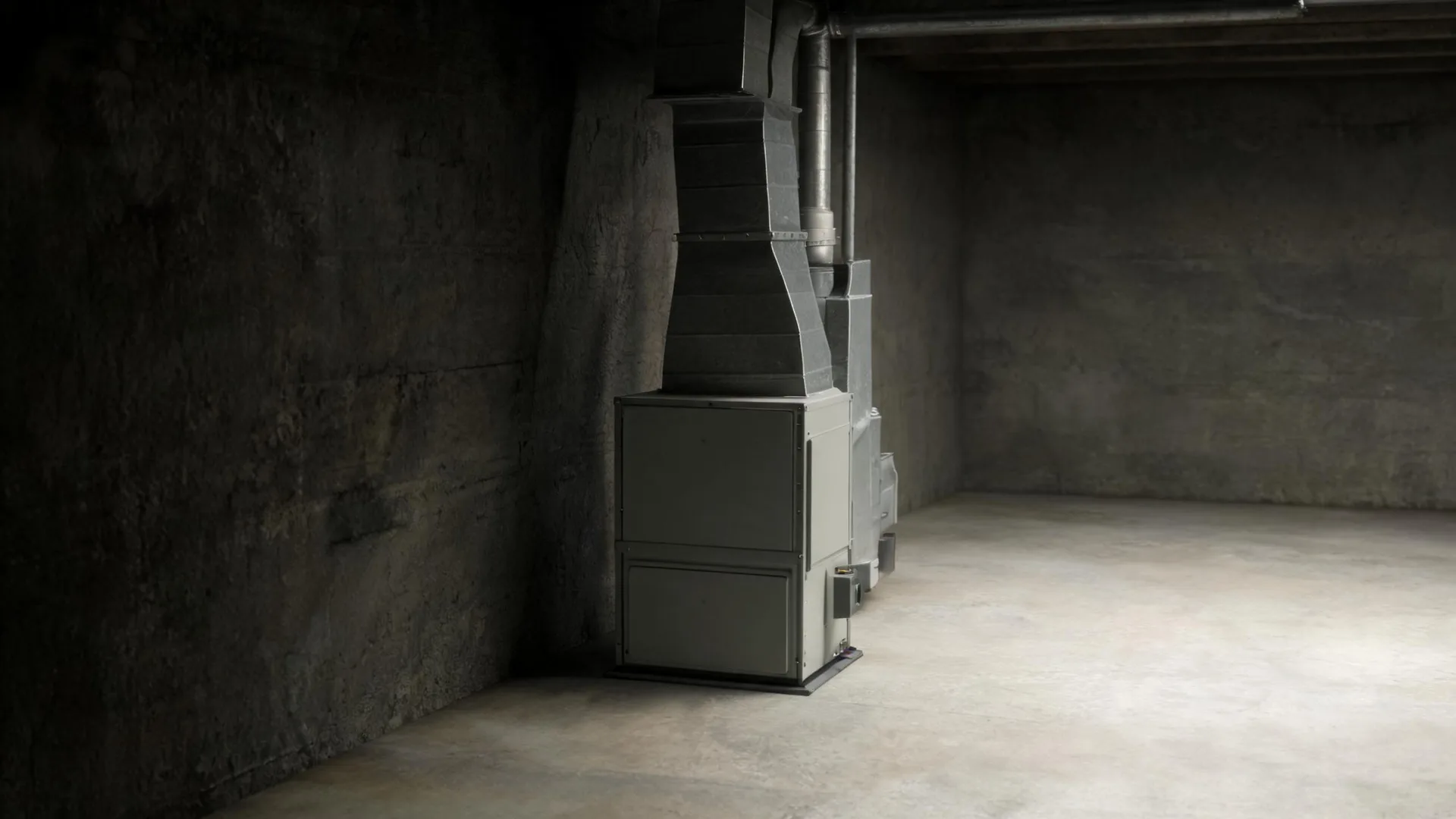
A furnace repair in Eureka County is rarely a simple swap because the burner, heat exchanger, and ignition system have been working hard for a long time before anything fails visibly. Homes in Eureka County, NV run heat about ten months a year, from September through June. Contractors checking these systems find that the ignition components and heat exchanger are where wear shows first, since those parts cycle every time the burner fires and have had little idle time to hide faults. A cracked heat exchanger that might run another season somewhere with a short winter is a different calculation here, where the next heating season starts almost before the last one ends.
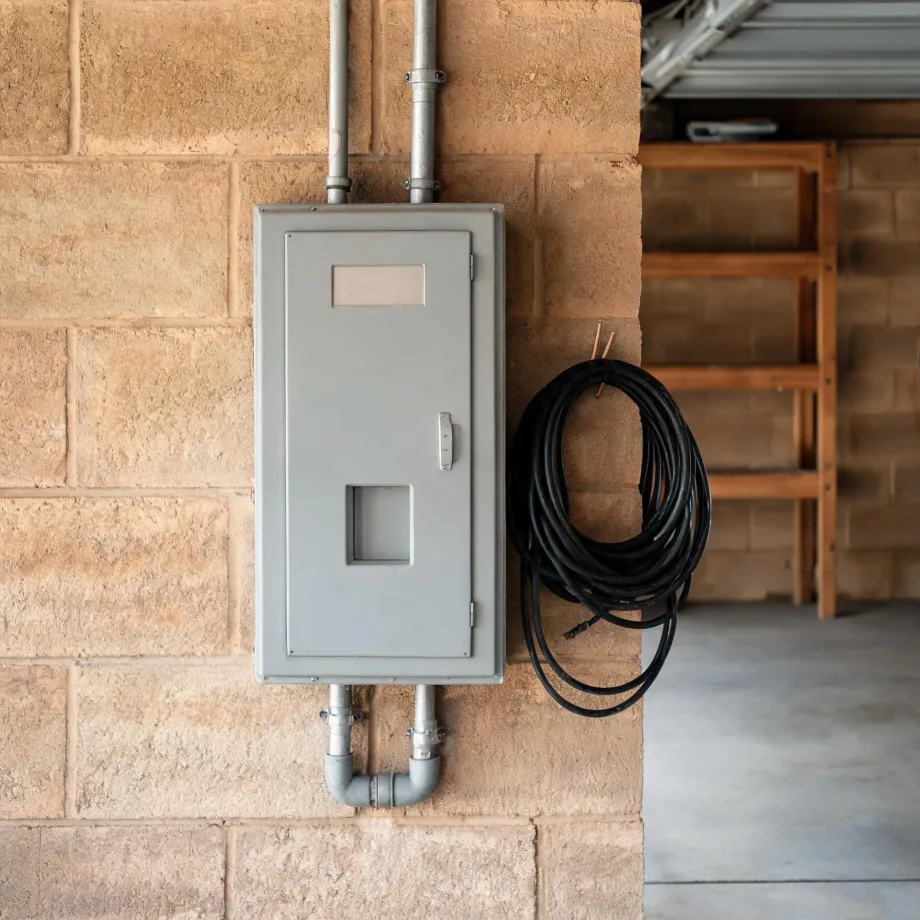
Opened furnace equipment in this county tells a contractor something a work order cannot: which components have been running past their design life, and whether the replacement parts a system of that vintage still takes are in current supply. Half the homes in Eureka County, Nevada were built in 1988 or earlier (2020-2024 ACS 5-year). That spread across the housing stock means a repair call here lands on systems whose internal condition varies widely, and a contractor who has not opened the unit yet has not started diagnosing. What the heat exchanger looks like, whether the inducer assembly matches what the manufacturer still ships, and how the controls have held up under years of high-desert cycling all become live questions once the cabinet is off.
The Parts of a Furnace a Contractor Checks First
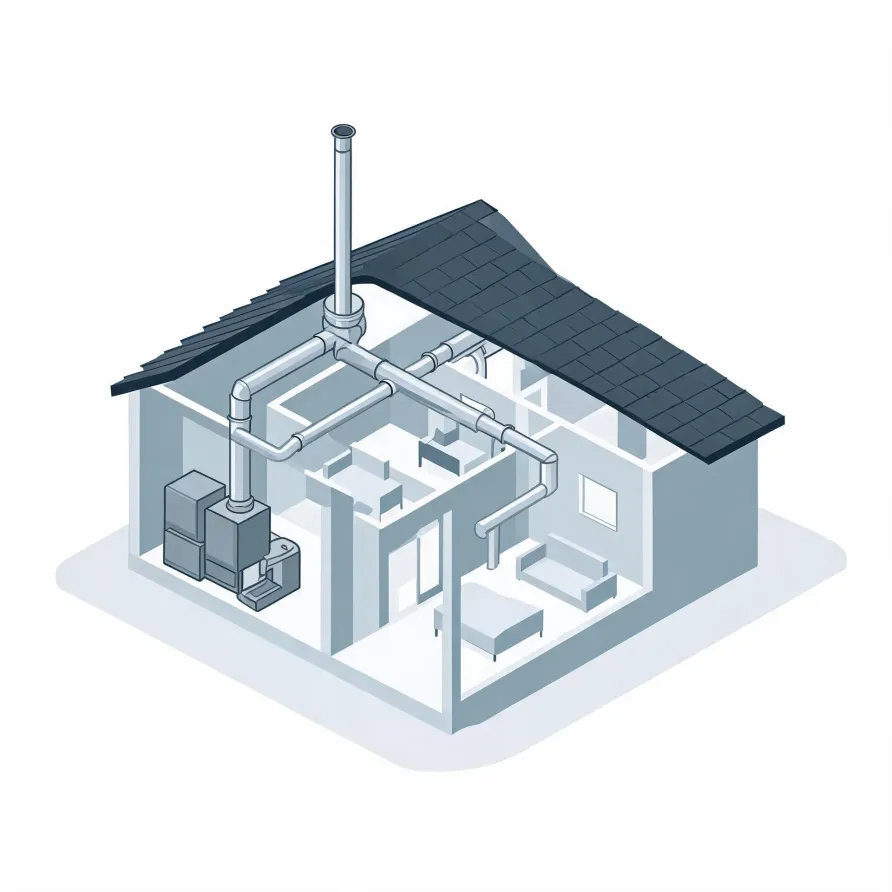
The heat exchanger sits inside the furnace cabinet, usually in a basement, utility closet, or garage, and it is the part that warms the air before it moves through the house. Cracks or failures there are a common reason a furnace stops doing its job safely. The burner assembly, which sits just below it, is where the flame originates, and a contractor will look at it early when a furnace is failing to heat or failing to ignite.
The blower motor and its fan wheel sit at the base of the cabinet and push conditioned air out into the duct system. The control board runs the sequence that tells every other component when to fire and when to stop. Contractors also check the flue pipe where it exits the cabinet, since a blockage or separation there affects both performance and safety.
The drawing shows a typical furnace layout, and a licensed contractor determines which components apply to the specific equipment and setup in your home.
Get matched in Eureka CountyEureka County, by the numbers
203 severe weather events were recorded in Eureka County, Nevada between 2015 and 2024.
NOAA National Centers for Environmental Information, Storm Events Database, bulk CSV export, events 2015-01-01 through 2024-12-31.Half the homes in Eureka County, Nevada were built in 1988 or earlier (2020-2024 ACS 5-year).
U.S. Census Bureau, 2020-2024 American Community Survey 5-Year EstimatesEureka County, Nevada holds 976 housing units (2020-2024 ACS 5-year).
U.S. Census Bureau, 2020-2024 American Community Survey 5-Year EstimatesOwners occupy 83.0% of the occupied homes in Eureka County, Nevada (2020-2024 ACS 5-year).
U.S. Census Bureau, 2020-2024 American Community Survey 5-Year EstimatesCodes & Standards Covering Furnace Repair in Eureka County, Nevada5 sourced rules and standards
What happens when the contractor arrives
Non-weatherized gas furnaces manufactured on or after November 19, 2015 must reach 80.0 percent AFUE.
Non-weatherized oil-fired furnaces manufactured on or after November 19, 2015 must reach 83.0 percent AFUE.
Mobile home gas furnaces manufactured on or after November 19, 2015 must reach 80.0 percent AFUE.
Non-weatherized gas furnaces manufactured on or after December 18, 2028 must reach 95.0 percent AFUE, up from the 80.0 percent minimum that applies to units manufactured before that date.
Licensing Rules for HVAC Repair in Eureka County, Nevada
In Nevada refrigeration and air-conditioning work is specialty contracting, and a general building contractor may not perform it without holding the licence for that specialty.
Weather Stress on HVAC Equipment in Eureka County
Extreme weather events put hours on furnace components fast, cycling systems hard through temperature swings they were not sized to ignore. Repair frequency in Eureka County tracks closely with what the climate asks of the equipment.
203 severe weather events, 2015–2024. Source: NOAA National Centers for Environmental Information, Storm Events Database.