Tell us about the job
Takes about a minute. No obligation.
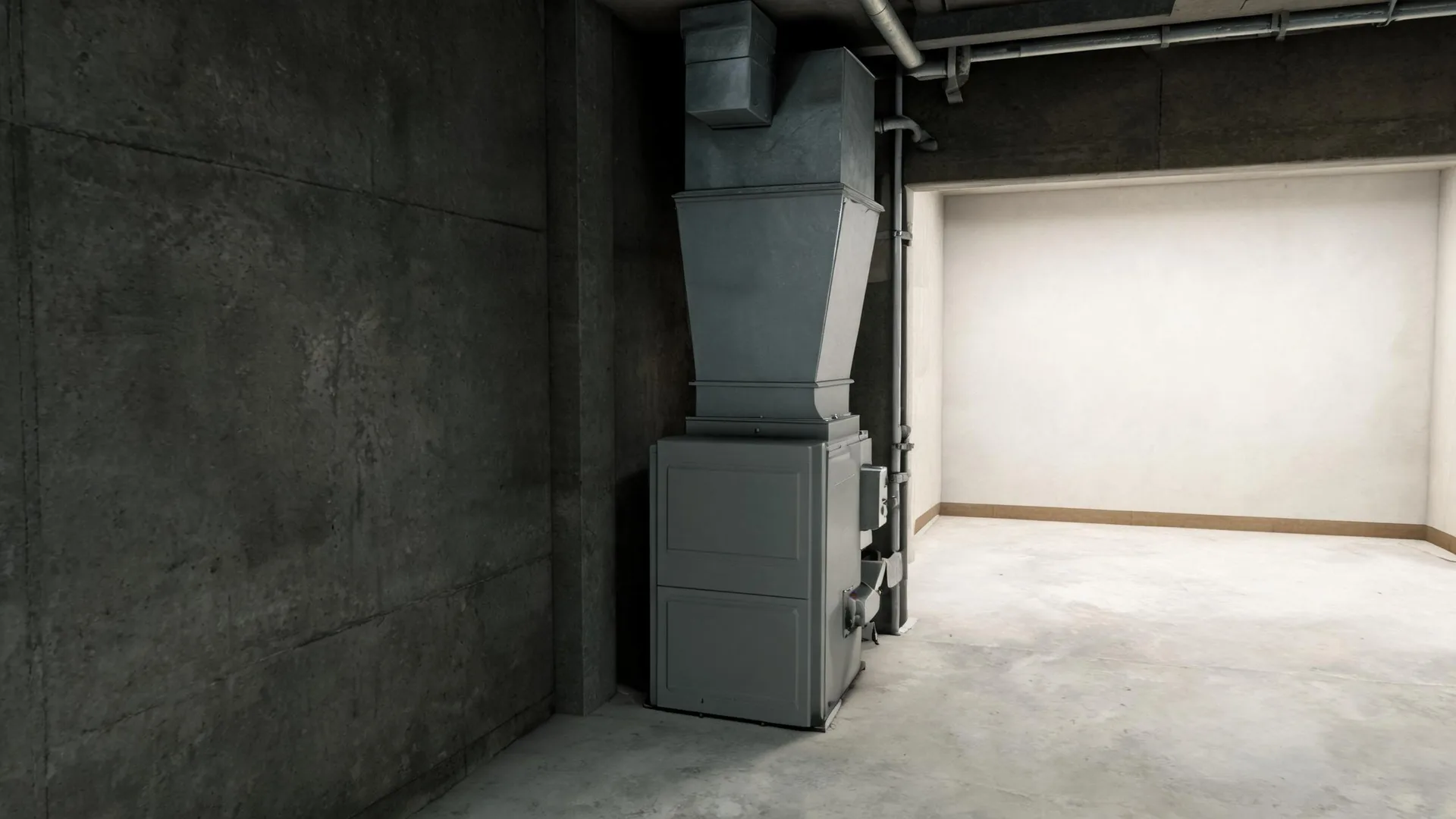
A furnace in White Pine County gets little time off. Homes in White Pine County, NV run heat about ten months a year, from September through June. The burner, heat exchanger, and ignition system cycle through that stretch with almost no idle period, and the wear that accumulates on those parts is what a contractor is sorting through when a homeowner finally calls. Cracks in a heat exchanger, a failing igniter, a burner that misfires on startup: these are the faults that develop under sustained runtime, not from a system that sat. A contractor diagnosing a repair here checks those components first.
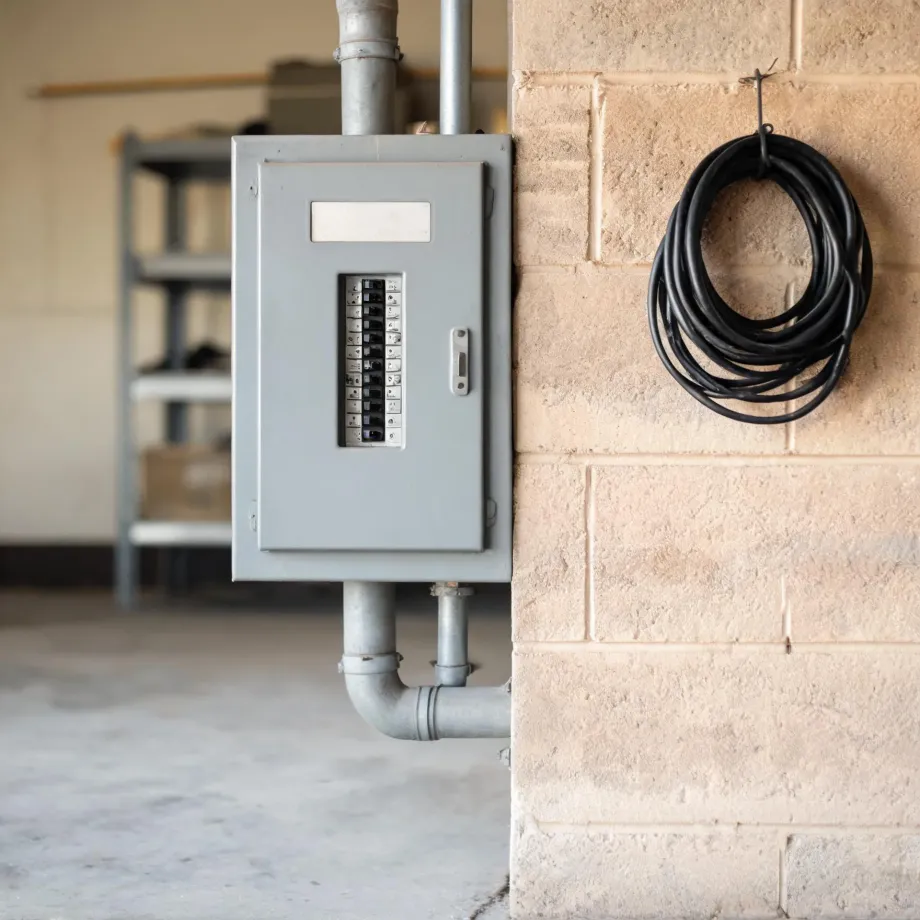
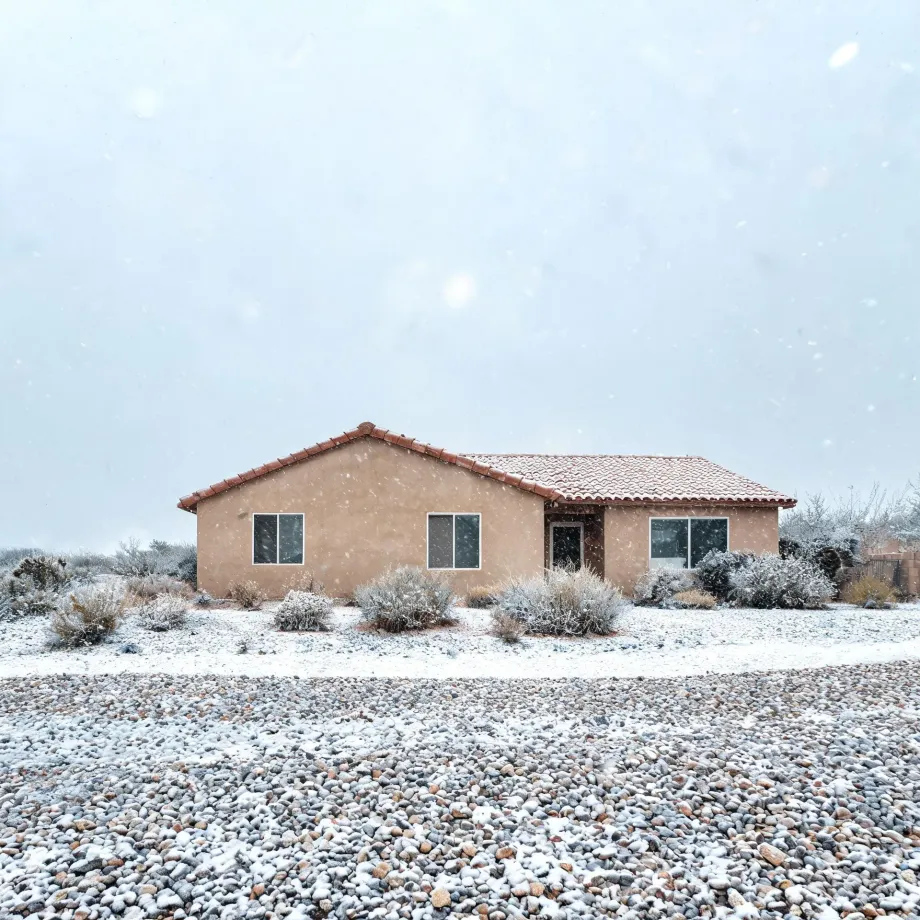
Ductwork and wiring in a house are not what sends a furnace repair sideways here. What does is the parts question. Half the homes in White Pine County, Nevada were built in 1970 or earlier (2020-2024 ACS 5-year). A furnace running in stock that old was likely installed well after the house was built, but the replacement components it takes may belong to a generation of equipment that manufacturers no longer support with identical parts. A contractor opening a failed heat exchanger or a cracked inducer assembly in a furnace of that vintage has to confirm that what the system takes is still available before the repair scope means anything.
The Parts of a Furnace a Contractor Checks First
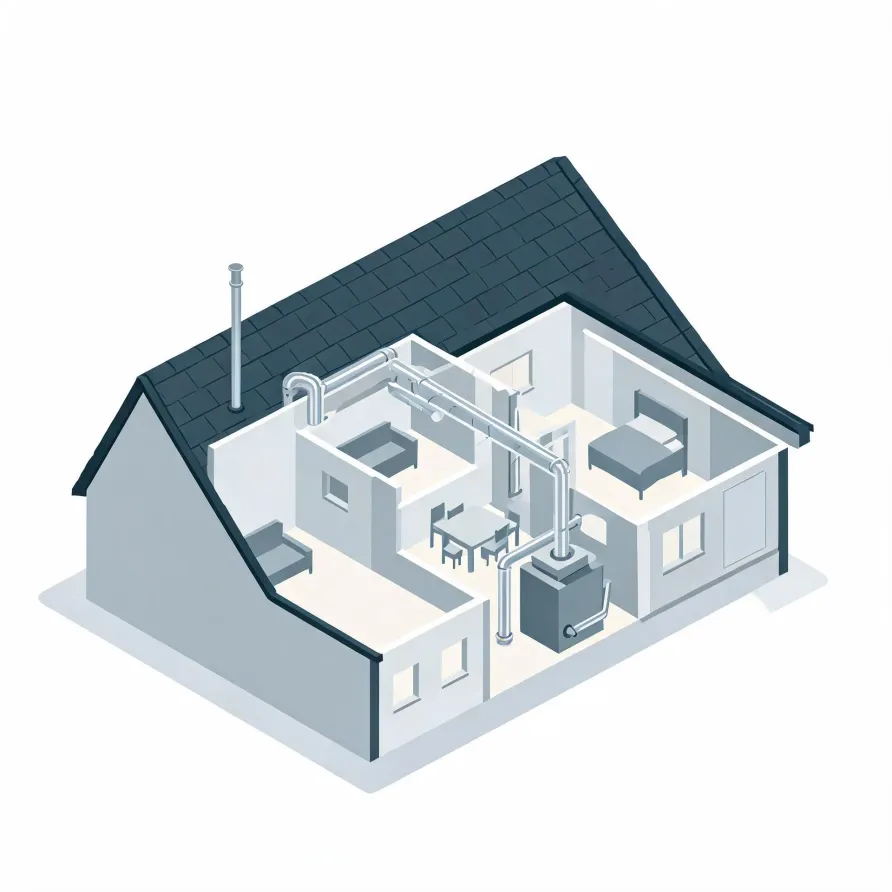
The furnace itself sits in a utility room, basement, or closet and is the piece a contractor goes to first. Inside it, the heat exchanger is the part most worth understanding: a metal chamber that carries combustion gases away while warming the air around it. A crack there is a serious fault, and finding one is a priority on any repair call.
The blower motor pulls air across the heat exchanger and pushes it toward the registers. It sits inside the furnace cabinet. The flue pipe runs from the unit to an outside vent, and the gas valve and igniter work together to start each heating cycle. When a furnace short-cycles, runs cold, or won't fire at all, the igniter and gas valve are where a contractor looks next.
The drawing shows the general layout of a furnace system, and a licensed contractor determines what applies to the specific equipment and configuration in your home.
Get matched in White Pine CountyWhite Pine County, by the numbers
475 severe weather events were recorded in White Pine County, Nevada between 2015 and 2024.
NOAA National Centers for Environmental Information, Storm Events Database, bulk CSV export, events 2015-01-01 through 2024-12-31.Half the homes in White Pine County, Nevada were built in 1970 or earlier (2020-2024 ACS 5-year).
U.S. Census Bureau, 2020-2024 American Community Survey 5-Year EstimatesWhite Pine County, Nevada holds 4,160 housing units (2020-2024 ACS 5-year).
U.S. Census Bureau, 2020-2024 American Community Survey 5-Year EstimatesOwners occupy 75.4% of the occupied homes in White Pine County, Nevada (2020-2024 ACS 5-year).
U.S. Census Bureau, 2020-2024 American Community Survey 5-Year EstimatesFurnace Repair Rules on the Books for White Pine County, Nevada5 codes, standards & licenses
What HVAC Repair Looks Like in White Pine County
Non-weatherized gas furnaces manufactured on or after November 19, 2015 must reach 80.0 percent AFUE.
Non-weatherized oil-fired furnaces manufactured on or after November 19, 2015 must reach 83.0 percent AFUE.
Mobile home gas furnaces manufactured on or after November 19, 2015 must reach 80.0 percent AFUE.
Non-weatherized gas furnaces manufactured on or after December 18, 2028 must reach 95.0 percent AFUE, up from the 80.0 percent minimum that applies to units manufactured before that date.
Licensing Rules for HVAC Repair in White Pine County, Nevada
In Nevada refrigeration and air-conditioning work is specialty contracting, and a general building contractor may not perform it without holding the licence for that specialty.
Severe Weather Events in White Pine County, Year by Year
Extreme weather puts real hours on a furnace. How hard the equipment in White Pine County works, and how often it fails, is shaped by local conditions that don't show up in a national average.
475 severe weather events, 2015–2024. Source: NOAA National Centers for Environmental Information, Storm Events Database.