Tell us about the job
Takes about a minute. No obligation.
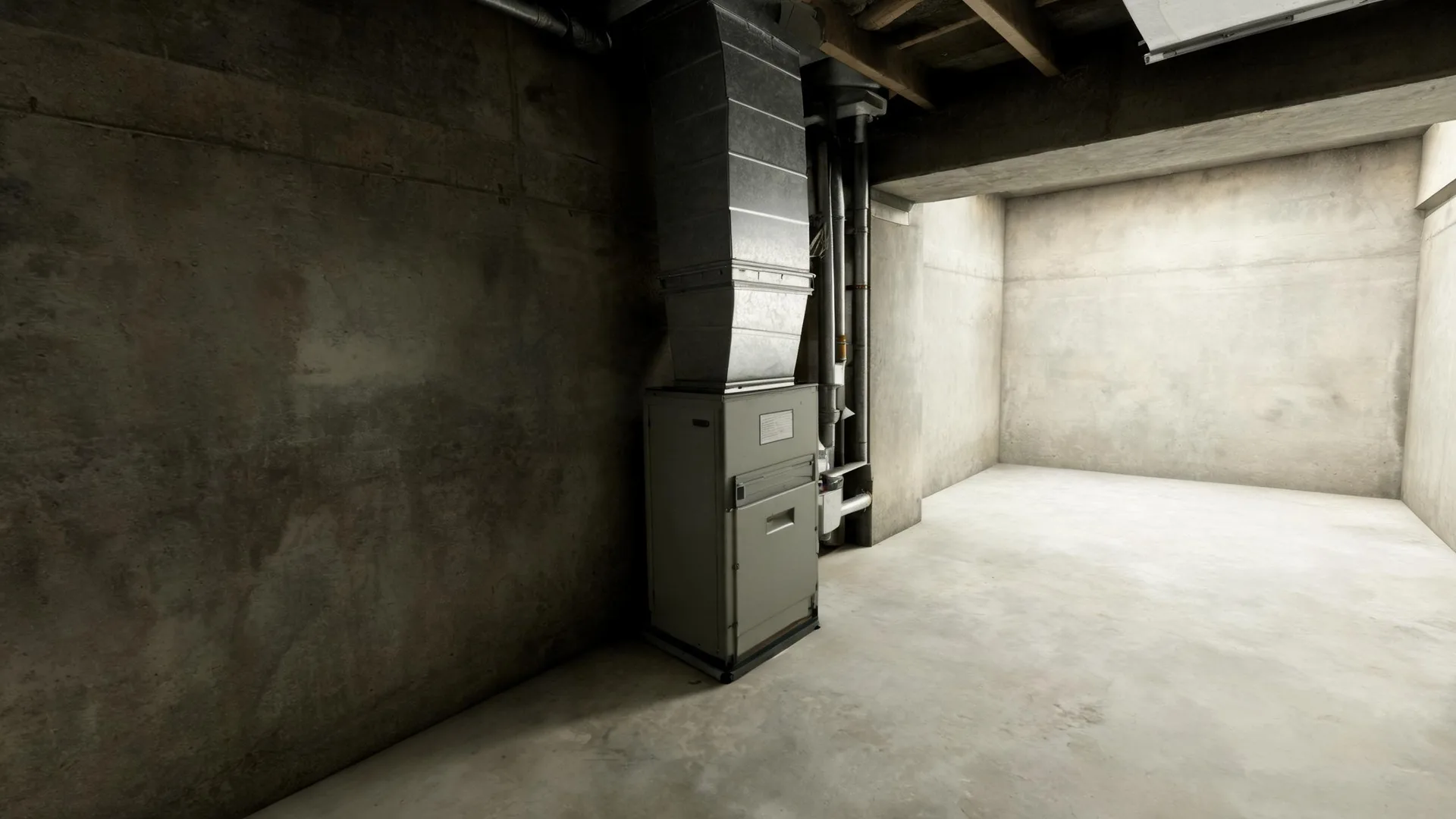
A furnace repair quote in Lincoln County starts with the burner assembly and ignition system, because those are the parts that cycle every time the equipment fires. Homes in Lincoln County, NV run heat about eight months a year, from October through May. The heat exchanger, the inducer motor, and the igniter each absorb that cycling, and a contractor opening a furnace here expects to find wear concentrated there. Cracks in a heat exchanger and a degraded igniter are the failure modes that accumulate from sustained use, and a licensed contractor will check both before pricing anything else.
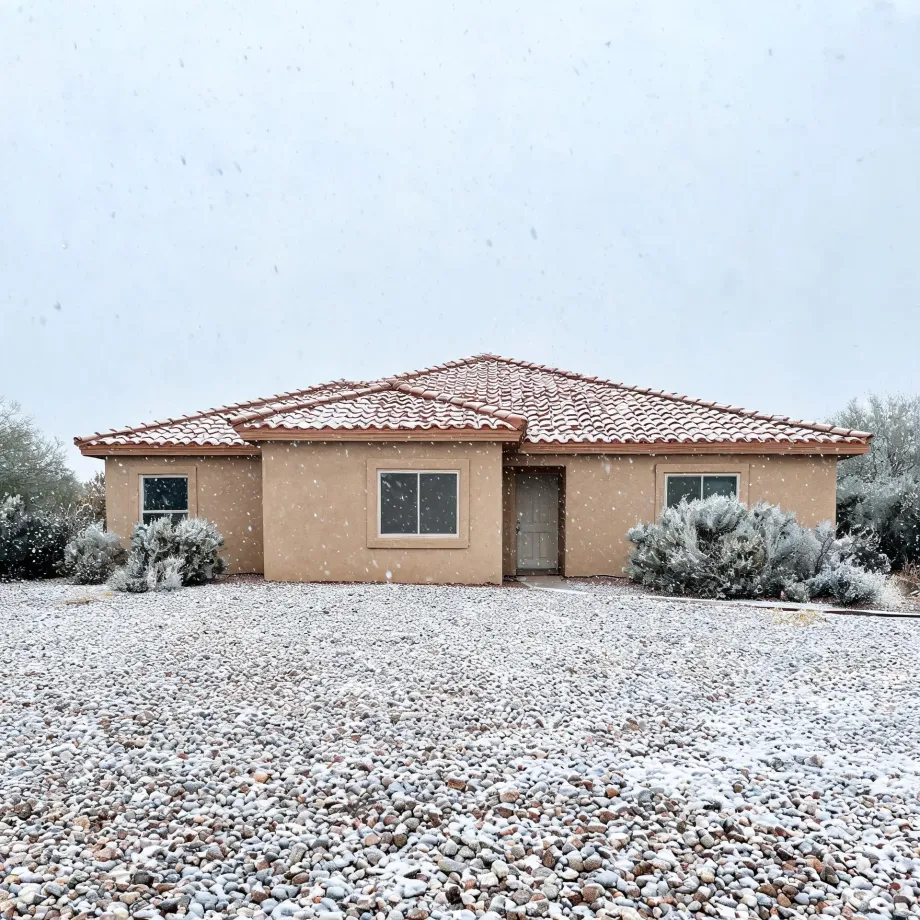
Ductwork sized and routed for older equipment leaves a gap between what the house carries and what the furnace running in it actually needs. Half the homes in Lincoln County, Nevada were built in 1982 or earlier (2020-2024 ACS 5-year). When a contractor opens a furnace here, what takes time is tracing how the distribution system has been adapted over the years, finding where heat is being lost before it reaches the rooms, and deciding whether a given repair addresses the failure or papers over a mismatch the ductwork created. Parts availability is the other variable a contractor works out on the spot, once the unit is open.
The Parts of a Furnace a Contractor Checks First
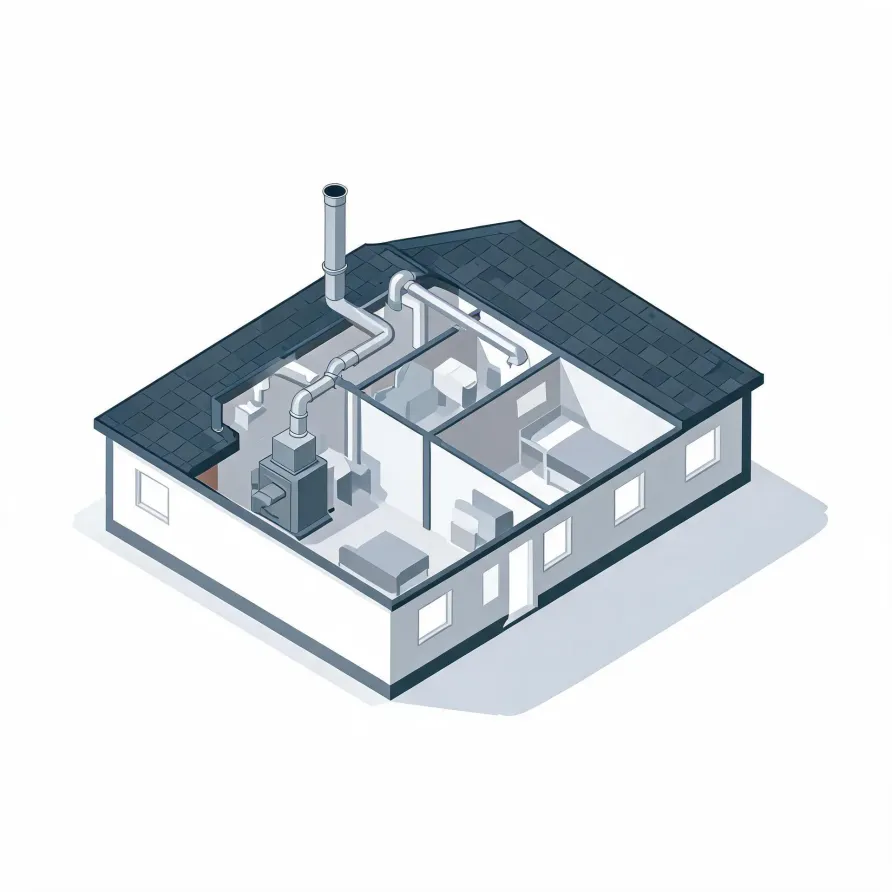
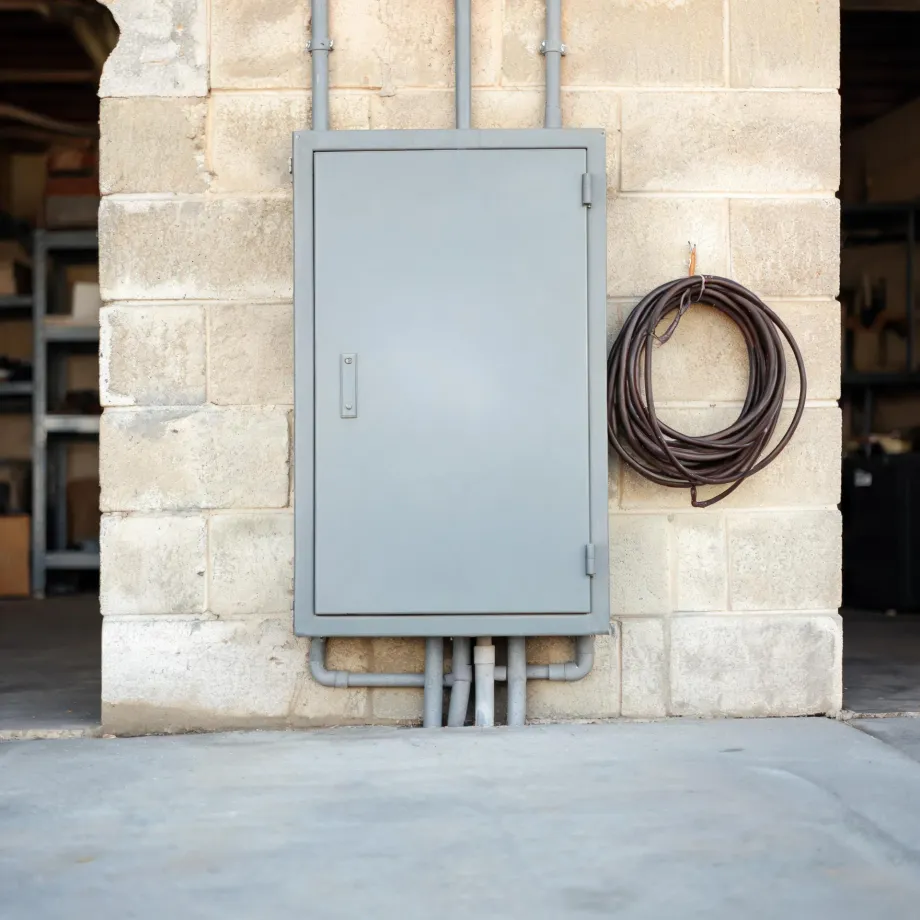
The heat exchanger sits at the core of the furnace cabinet and is where a contractor looks early. Cracks or buildup there mean the furnace cannot heat air safely. The burner assembly sits just below it, and a flame that burns unevenly or fails to ignite points straight to that component.
The blower motor and fan sit in the lower section of the cabinet and push conditioned air out into the house. The control board and igniter are mounted inside the same cabinet. When a furnace short-cycles, runs without producing heat, or fails to start at all, those are the pieces a contractor traces the fault through.
The drawing shows a typical furnace layout, and a licensed contractor determines which components are relevant to your specific system.
Get matched in Lincoln CountyLincoln County, Nevada, by the numbers
39 severe weather events were recorded in Lincoln County, Nevada between 2015 and 2024.
NOAA National Centers for Environmental Information, Storm Events Database, bulk CSV export, events 2015-01-01 through 2024-12-31.Half the homes in Lincoln County, Nevada were built in 1982 or earlier (2020-2024 ACS 5-year).
U.S. Census Bureau, 2020-2024 American Community Survey 5-Year EstimatesLincoln County, Nevada holds 2,471 housing units (2020-2024 ACS 5-year).
U.S. Census Bureau, 2020-2024 American Community Survey 5-Year EstimatesOwners occupy 75.0% of the occupied homes in Lincoln County, Nevada (2020-2024 ACS 5-year).
U.S. Census Bureau, 2020-2024 American Community Survey 5-Year EstimatesFurnace Repair Rules & Codes for Lincoln County, Nevada5 sourced standards and rules
What HVAC Repair Looks Like in Lincoln County
Non-weatherized gas furnaces manufactured on or after November 19, 2015 must reach 80.0 percent AFUE.
Non-weatherized oil-fired furnaces manufactured on or after November 19, 2015 must reach 83.0 percent AFUE.
Mobile home gas furnaces manufactured on or after November 19, 2015 must reach 80.0 percent AFUE.
Non-weatherized gas furnaces manufactured on or after December 18, 2028 must reach 95.0 percent AFUE, up from the 80.0 percent minimum that applies to units manufactured before that date.
Licensing and Legal Requirements in Lincoln County, Nevada
In Nevada refrigeration and air-conditioning work is specialty contracting, and a general building contractor may not perform it without holding the licence for that specialty.
Severe Weather Events in Lincoln County, Year by Year
Extreme weather puts real strain on furnace components, and how hard that strain runs depends on where the equipment sits. A county's storm history is a record of what local systems have been asked to endure.
39 severe weather events, 2015–2024. Source: NOAA National Centers for Environmental Information, Storm Events Database.