Tell us about the job
Takes about a minute. No obligation.
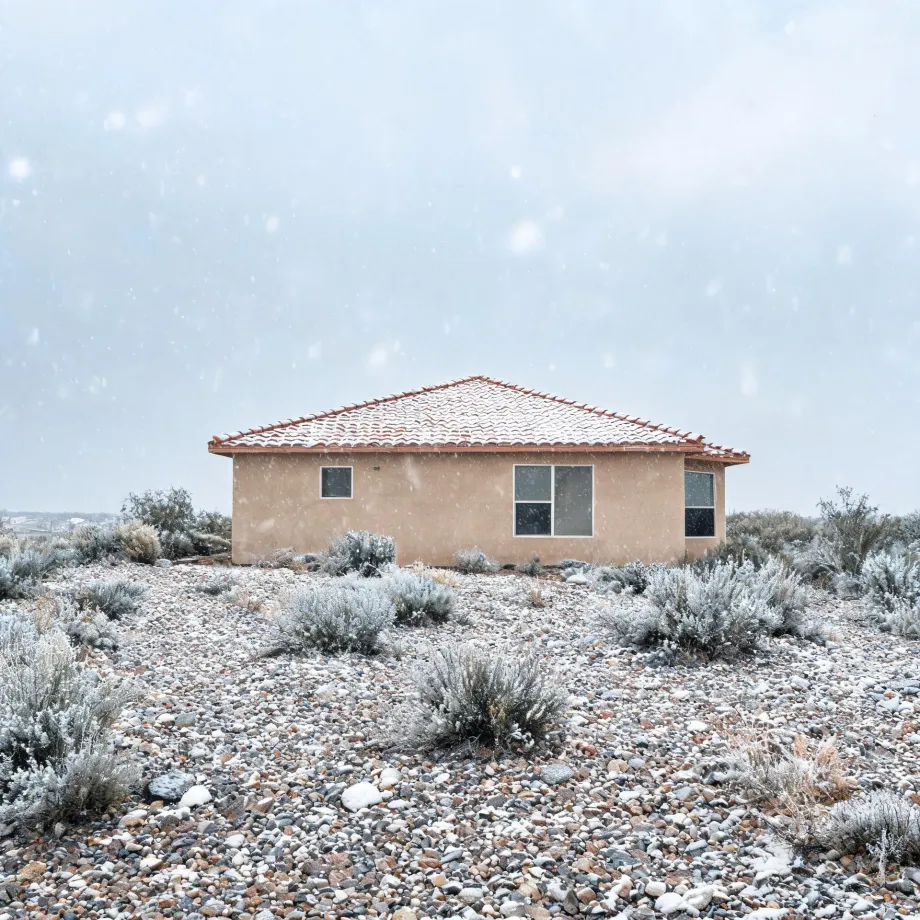
The burner, heat exchanger, and ignition system on a Douglas County furnace spend very little time sitting idle. Homes in Douglas County, NV run heat about ten months a year, from September through June. A contractor quoting a repair here checks those cycling components first, because they carry the load every season brings and show stress accordingly. Cracks in a heat exchanger or a worn igniter are not surprises in a house that asks its furnace to run this hard this long each year.
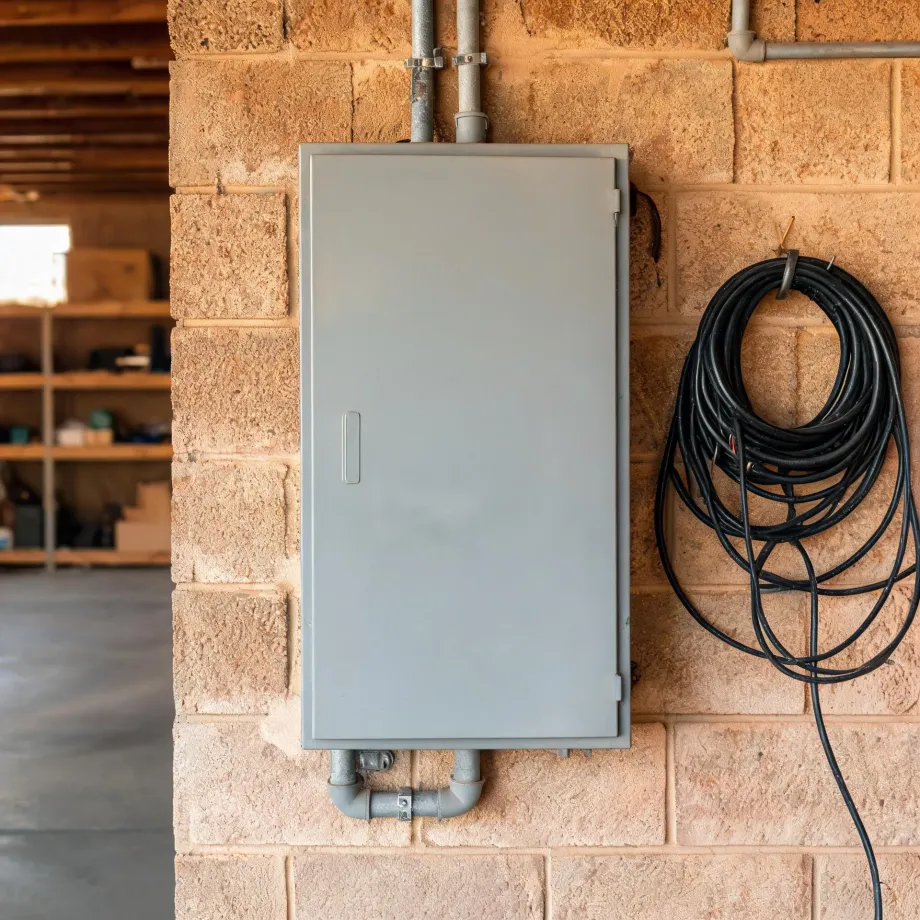
Furnace repair here is more dependent on what the opened unit contains than on any assumption a contractor brings to the door. Half the homes in Douglas County, Nevada were built in 1990 or earlier (2020-2024 ACS 5-year). Housing that old has carried more than one furnace through its life, and each replacement was sized and vented to fit what was already there rather than to reset the system properly. Cracks in the heat exchanger, burner wear, and venting that was adapted rather than replaced are what a contractor in this county finds when the cabinet comes off. Parts availability for the specific unit matters too, and that answer only comes from the model on the plate.
The Parts of a Furnace a Contractor Checks First
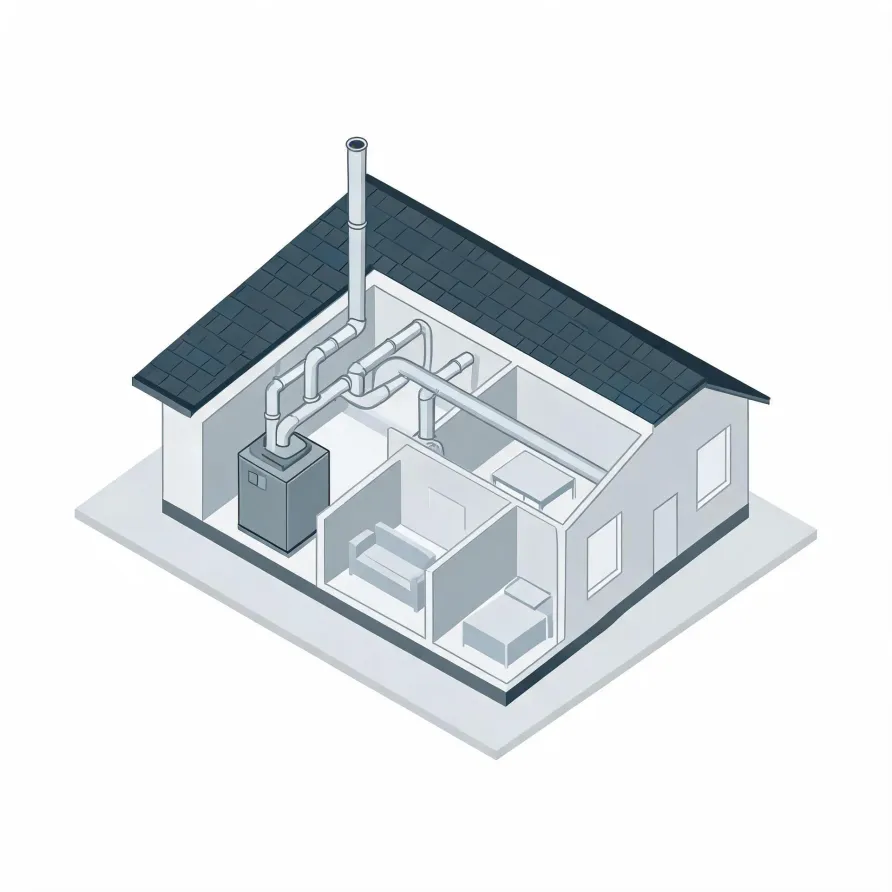
The furnace itself sits in a utility room, basement, or closet and is the piece a contractor goes to first. Inside it, the heat exchanger is the part that takes the most punishment. A cracked or corroded heat exchanger is one of the more serious faults a furnace can develop, because it is the barrier between combustion gases and the air moving through the house.
The burner assembly, the igniter, and the flame sensor sit inside the furnace cabinet and work together to start and hold a flame. The blower motor and its wheel move conditioned air out of the cabinet and into the supply side. The control board ties all of those pieces together, and when it fails, a contractor reads the fault codes it stores to trace the problem back to the source.
The drawing shows a general layout of these components, and a licensed contractor determines which parts apply and what condition they are in for this specific house.
Get matched in Douglas CountyDouglas County, Nevada, by the numbers
513 severe weather events were recorded in Douglas County, Nevada between 2015 and 2024.
NOAA National Centers for Environmental Information, Storm Events Database, bulk CSV export, events 2015-01-01 through 2024-12-31.Half the homes in Douglas County, Nevada were built in 1990 or earlier (2020-2024 ACS 5-year).
U.S. Census Bureau, 2020-2024 American Community Survey 5-Year EstimatesDouglas County, Nevada holds 24,825 housing units (2020-2024 ACS 5-year).
U.S. Census Bureau, 2020-2024 American Community Survey 5-Year EstimatesOwners occupy 78.8% of the occupied homes in Douglas County, Nevada (2020-2024 ACS 5-year).
U.S. Census Bureau, 2020-2024 American Community Survey 5-Year EstimatesCodes & Standards Governing Furnace Repair in Douglas County, Nevada5 sourced rules and standards
What the repair visit looks like
Non-weatherized gas furnaces manufactured on or after November 19, 2015 must reach 80.0 percent AFUE.
Non-weatherized oil-fired furnaces manufactured on or after November 19, 2015 must reach 83.0 percent AFUE.
Mobile home gas furnaces manufactured on or after November 19, 2015 must reach 80.0 percent AFUE.
Non-weatherized gas furnaces manufactured on or after December 18, 2028 must reach 95.0 percent AFUE, up from the 80.0 percent minimum that applies to units manufactured before that date.
Licensing Rules for HVAC Repair in Douglas County, Nevada
In Nevada refrigeration and air-conditioning work is specialty contracting, and a general building contractor may not perform it without holding the licence for that specialty.
Severe Weather Events in Douglas County
Weather puts a measurable load on heating equipment. Hard conditions accelerate wear, strain components, and push furnaces to cycle more than they would in milder years, which is why local weather patterns are part of understanding repair demand in Douglas County.
513 severe weather events, 2015–2024. Source: NOAA National Centers for Environmental Information, Storm Events Database.