Tell us about the job
Takes about a minute. No obligation.
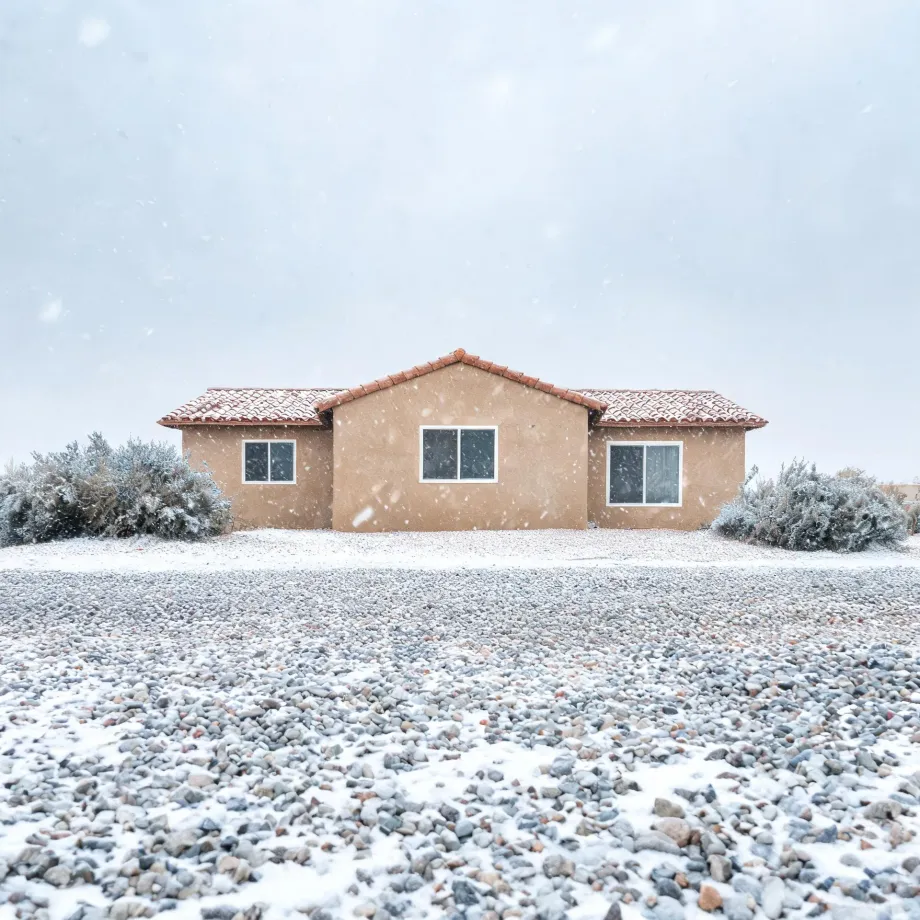
A furnace in Esmeralda County runs its burner and ignition system hard, and a contractor called out for a repair is going to look at those parts before anything else. Homes in Esmeralda County, NV run heat about eight months a year, from October through May. The ignition system cycles every time the burner lights, and by late winter it has done that work repeatedly across a long heating season. Heat exchangers matter, but they tend to outlast igniters and flame sensors by a fair margin in a climate that asks this much of the combustion side. A contractor who quotes without checking those components first is pricing in the dark.
Furnace repair in housing stock this seasoned rarely stays simple once the panels come off. Half the homes in Esmeralda County, Nevada were built in 1986 or earlier (2020-2024 ACS 5-year). That depth of history means heat exchangers, burner assemblies, and ignition components have logged enough heating seasons that what a contractor finds inside the cabinet is the work, not a lead-in to it. Parts at that stage of wear are often discontinued, and a contractor has to confirm availability before the repair scope is firm.
The Parts of a Furnace a Contractor Checks First
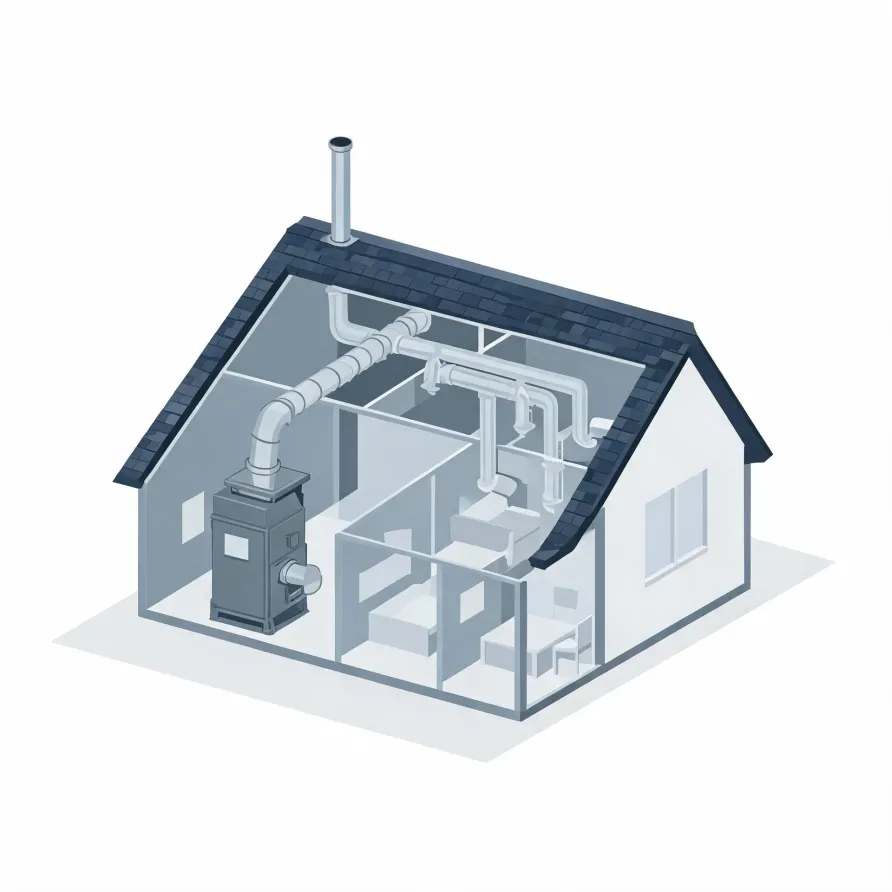
The heat exchanger sits at the core of the furnace cabinet and is the first place a contractor looks when a furnace runs but fails to heat properly. The burner assembly feeds it, and a cracked exchanger or a dirty, misfiring burner will cause the whole system to underperform or shut down on a safety limit. The blower motor, housed in the lower section of the cabinet, pulls air across the exchanger and pushes it through the house.
The igniter and flame sensor work together at the burner: the igniter starts combustion, and the sensor confirms the flame is present. When either fails, the furnace attempts a start, finds no confirmed flame, and shuts itself off. The flue pipe carries combustion gases out of the cabinet and is checked for blockage or separation whenever venting problems are suspected.
The drawing shows a general furnace layout, and a licensed contractor determines which components apply to the specific system in your home.
Get matched in Esmeralda CountyEsmeralda County by the Numbers
60 severe weather events were recorded in Esmeralda County, Nevada between 2015 and 2024.
NOAA National Centers for Environmental Information, Storm Events Database, bulk CSV export, events 2015-01-01 through 2024-12-31.Half the homes in Esmeralda County, Nevada were built in 1986 or earlier (2020-2024 ACS 5-year).
U.S. Census Bureau, 2020-2024 American Community Survey 5-Year EstimatesEsmeralda County, Nevada holds 690 housing units (2020-2024 ACS 5-year).
U.S. Census Bureau, 2020-2024 American Community Survey 5-Year EstimatesOwners occupy 60.8% of the occupied homes in Esmeralda County, Nevada (2020-2024 ACS 5-year).
U.S. Census Bureau, 2020-2024 American Community Survey 5-Year EstimatesCodes & Standards Governing Furnace Repair in Esmeralda County, Nevada5 sourced rules and standards
What HVAC Repair Looks Like in Esmeralda County
Non-weatherized gas furnaces manufactured on or after November 19, 2015 must reach 80.0 percent AFUE.
Non-weatherized oil-fired furnaces manufactured on or after November 19, 2015 must reach 83.0 percent AFUE.
Mobile home gas furnaces manufactured on or after November 19, 2015 must reach 80.0 percent AFUE.
Non-weatherized gas furnaces manufactured on or after December 18, 2028 must reach 95.0 percent AFUE, up from the 80.0 percent minimum that applies to units manufactured before that date.
Licensing Rules for HVAC Repair in Esmeralda County, Nevada
In Nevada refrigeration and air-conditioning work is specialty contracting, and a general building contractor may not perform it without holding the licence for that specialty.
Severe Weather Events in Esmeralda County
Hard weather puts furnaces to work under conditions they were never tested for in a factory. What the climate does in this area shapes how hard local equipment runs and what tends to wear out first.
60 severe weather events, 2015–2024. Source: NOAA National Centers for Environmental Information, Storm Events Database.