Why your furnace won't turn on in a Nevada winter

Describe your furnace job, and a local pro who handles it gets in touch.

Find a furnace pro

A furnace that won't turn on usually comes down to one of a few things. The thermostat might not be calling for heat, or its batteries are dead. The igniter can fail after years of lighting the burners, so the gas never catches. A flame sensor coated with soot will shut the burners off almost as soon as they start, as a safety measure. A dirty air filter can choke airflow until the furnace overheats and locks itself out. Gas supply trouble, a dead blower motor, or a tripped breaker can all leave you with no heat too. Winter nights in Nevada still drop well below freezing, so a furnace that won't light is not something to leave until morning. Most of these causes need a trained eye to tell apart, since a furnace that won't ignite and one that ignites and shuts off look the same from the thermostat.

A gray high-efficiency furnace with white PVC vent pipes stands in an unfinished basement beside sheet-metal ductwork, gas piping, and insulated stud walls on a concrete floor.

When it's running right

The burners light on the first call for heat and the blower pushes warm air through the vents without hesitation. No clicking, no delay, no smell of gas. If your furnace does this, the ignition system and gas valve are doing their job.

A beige sheet-metal furnace with a louvered upper panel stands on a concrete basement floor, connected to galvanized ductwork, white PVC vent pipes, and a metal gas line with an electrical box.

When it won't start

You hear the inducer motor hum, maybe a click or two, then nothing. No flame, no warm air, and the house keeps dropping toward whatever it is outside. That gap between trying and lighting is where the problem lives.

Is it this cold inside because the furnace won't fire?

You bump the thermostat up and wait. The blower might come on and push air that never warms up, or nothing happens at all, no click, no whoosh, no warmth at the vents. Some nights it lights after three or four tries and you hear it clicking longer than it used to. Some nights it just doesn't catch, and the house holds at whatever temperature it was when you gave up waiting. If anyone in the house is older, very young, or sick, a cold house overnight isn't just uncomfortable. Nevada nights in winter drop fast once the sun is down, and a furnace that won't stay lit leaves the house losing ground the whole time you're asleep.

A gray high-efficiency furnace with two access panels stands in a bare basement corner, connected to sheet-metal ductwork, white PVC vent pipes, and flexible gas and electrical lines.

The igniter does the work

A gas furnace has no pilot light anymore. A hot surface igniter heats up, the gas valve opens, and the burners catch off that heat. If the igniter has a hairline crack or has just worn out, it won't glow hot enough, and the control board will lock the system out after a few failed tries rather than keep dumping gas into the burner chamber.

A gas furnace with metal ductwork, copper and yellow gas piping stands against a wall in an empty room with a bare concrete floor.

Why it won't just restart

Most furnace control boards allow a handful of ignition attempts, then stop and wait for a reset, either automatic after an hour or by cutting power at the switch or breaker. That's not a glitch. It's the board refusing to keep trying once it senses the flame isn't catching, because an open gas valve with no flame is the one outcome the system is built to prevent.

Call a Contractor or Keep Troubleshooting

Call for repair

  • A contractor can test the igniter, flame sensor, and gas valve in one visit and tell you which part failed.
  • If the furnace is dead on a cold night, a repair gets heat back without waiting to see if the problem clears itself.
  • Parts for most gas furnaces are common, so a failed igniter or control board can usually be replaced rather than the whole unit.
  • A furnace that's otherwise been reliable for years is often worth fixing once instead of guessing at what's wrong yourself.
  • Repair costs are tied to the one part that failed, not the full system.

Keep troubleshooting yourself

  • Checking the thermostat batteries and the breaker takes a few minutes and costs nothing if that's all it is.
  • A dirty flame sensor can sometimes be cleaned by hand, though reaching it and doing it right isn't always simple.
  • If the furnace trips its switch repeatedly, running it again without knowing why can make the real problem worse.
  • Without the right tools, you can't test gas pressure or igniter resistance, so some failures just won't reveal themselves to you.
  • Guessing wrong means more cold nights spent waiting to see if the fix worked.
A woman with dark hair in a bun wearing a cream knit sweater sits on a gray sofa in a bright living room, looking off to the side.
A woman wrapped in a knit blanket sits on a gray sofa in a living room, looking toward a bright window with houseplants and an armchair in the background.
A woman in a gray cowl-neck sweater sits on a light sofa with cushions, smiling and looking to the side, with a kitchen and window visible behind her.
A woman with dark hair in a bun, wearing a light linen shirt, sits on a sofa and looks to the side, with a window, houseplants and a kitchen with pendant lights blurred behind her.

The right pro for this job

Answer a few questions instead of calling shop after shop.

No fee to send it, and nothing to sign.

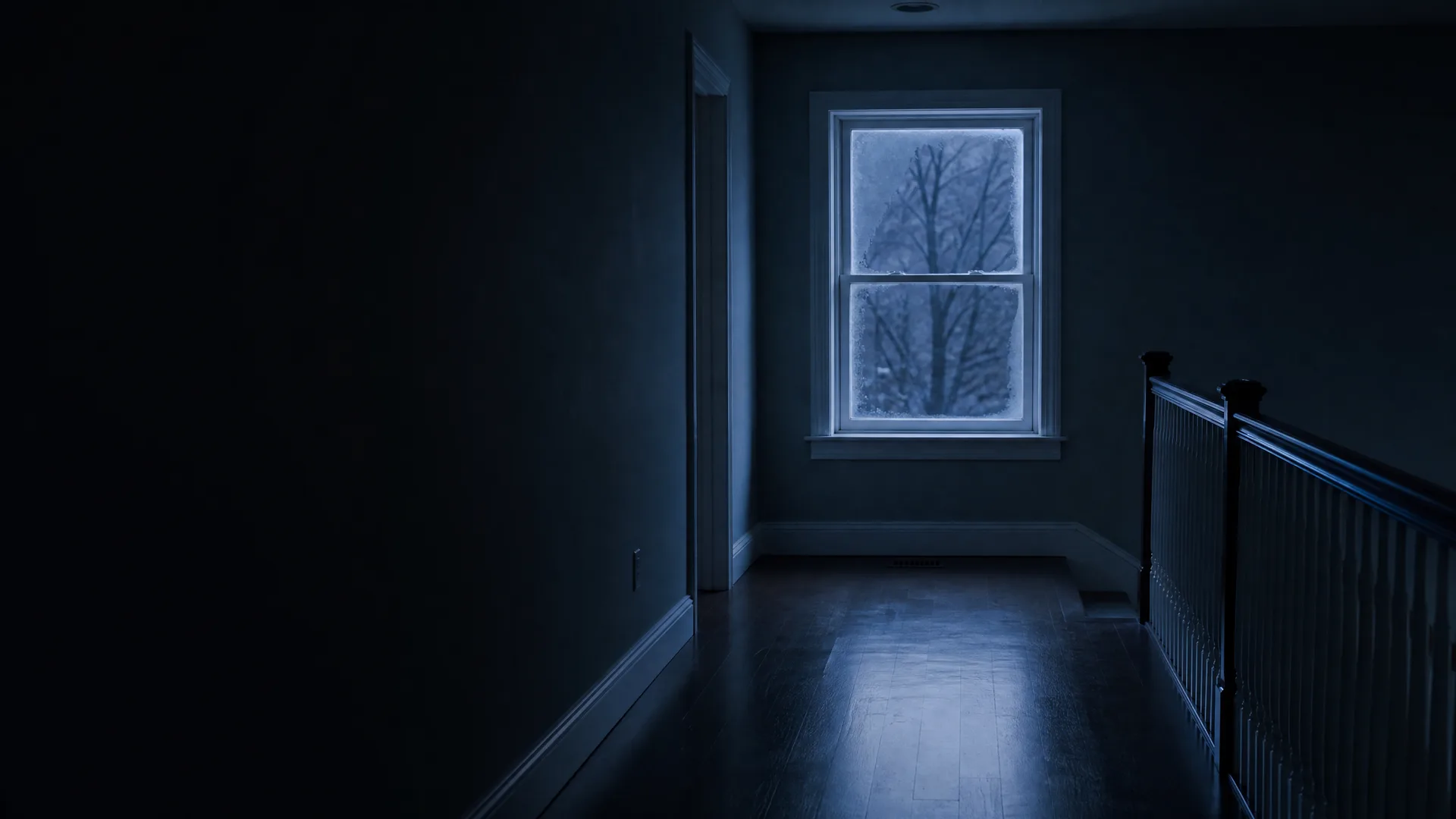
A dark interior hallway with a dark wood floor, a floor vent, a doorway on the left, and a stair railing on the right, lit only by a tall double-hung window showing bare tree branches outside.

It's two in the morning and the house is quiet except for the cold. You woke up because your feet were cold under the blanket, and when you step into the hallway the air feels the same as outside. Frost has crept up the edges of the window at the end of the hall. The floor vents don't make a sound. No hum from the blower, no click from the igniter trying to catch. Outside, a Nevada winter night is doing what it does, and right now your furnace isn't doing anything at all. You stand there in the dark hallway, listening for a sound that doesn't come.

A gray high-efficiency furnace with white PVC vent pipes stands beside galvanized sheet-metal ductwork in a basement with a concrete floor, with a wooden staircase and railing at left.
The burners catch right away and burn steady blue, with the condensate line draining and no smell of gas near the shutoff valve.
An older gas furnace with louvered panels sits on a concrete pad in a basement, connected to sheet-metal ductwork and PVC and metal pipes, with a water heater and wooden stair framing in the background.
The burners won't catch, the air handler stays cold, and the gas line sits dead quiet with no sound of ignition at all.
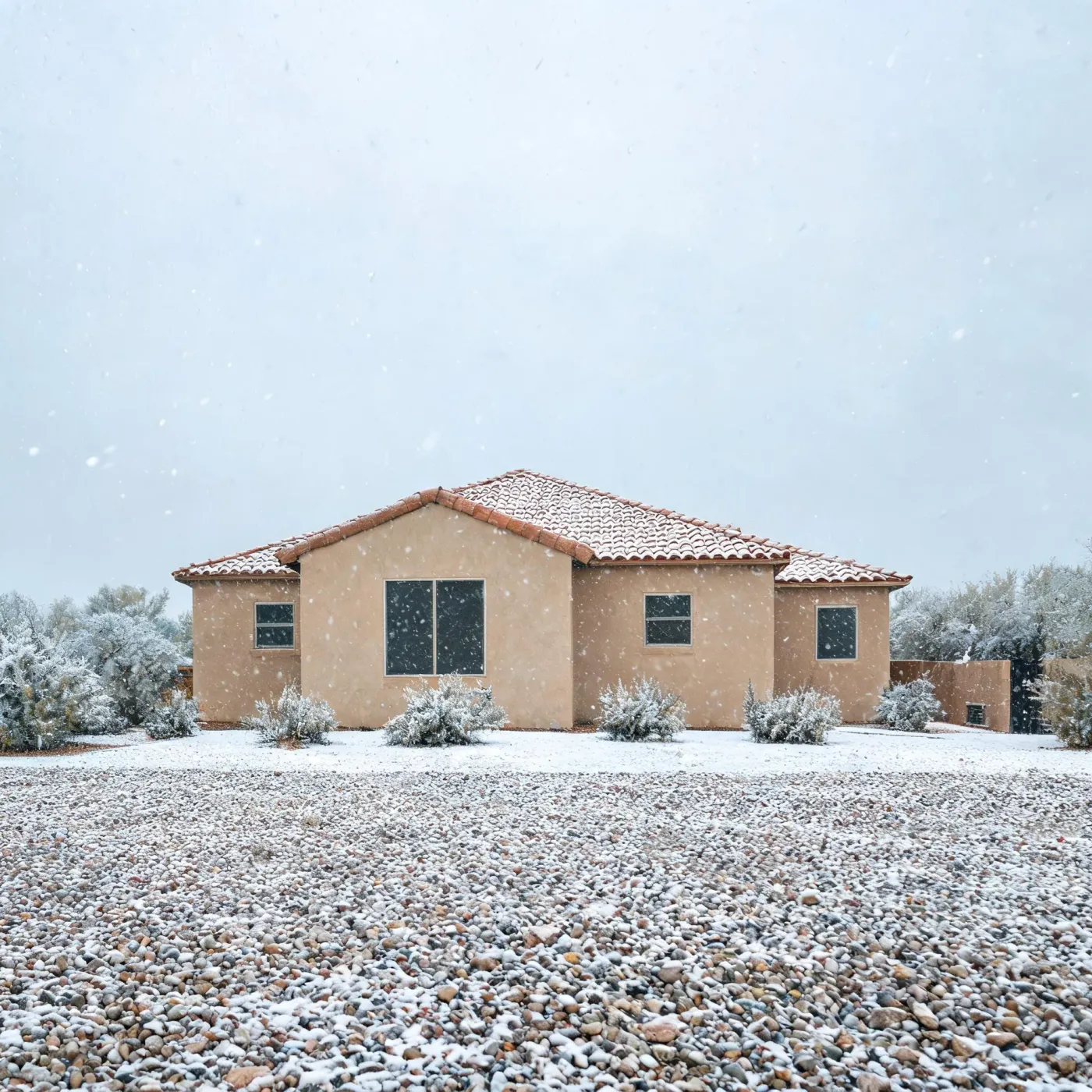
A single-story tan stucco house with a red tile roof during falling snow, with low snow-dusted shrubs and a broad gravel yard in the foreground.

The National Weather Service puts the statewide average winter night at 33°F, which means most nights sit right at the edge where a furnace has to work to keep the house above freezing. That's not an extreme cold snap, it's an ordinary Tuesday night. A furnace that's slow to light or short-cycling can usually keep up when it's 45°F out. At 33°F it has less room for error. If the igniter is weak or the flame sensor is dirty, this is the temperature where you start noticing the house never quite catches up, or the furnace tries and fails instead of running clean.

NOAA nClimDiv 1991-2020 county normals weighted by homes

A smiling older woman with gray hair in a cream knit sweater stands in a dimly lit kitchen beside a window showing snow outside, with a round loaf of bread on the counter in the foreground.
A woman and a child wrapped together in a knitted gray blanket on a couch, with the child's head resting on her shoulder and a lit table lamp and houseplant in the background.

Why It Won't Fire, and What Fixes It

  • A furnace that won't fire almost always traces back to the igniter, the flame sensor, or the gas valve.
  • Nevada's winter nights average 33°F statewide, cold enough that a dead furnace turns the house cold fast.
  • A contractor can test all three parts in one visit instead of leaving you to guess which one failed.
  • Skipping the search for a contractor means you're not calling around, re-explaining the problem, or sorting through quotes.
  • Power is cheap here and most homes heat with gas, so the furnace is doing the real work of keeping everyone warm.
  • The fix is usually a single worn part, not the whole system, once someone traces the fault to its source.

A furnace that won't turn on is a part that failed, not a system that died. Most of the time it's the igniter, the flame sensor, or the gas valve, and a contractor can check all three in one visit instead of you guessing at it in the dark. That matters in Nevada, where winter nights average 33°F statewide. At that temperature a house cools fast once the furnace stops working, and you're not waiting out a rare cold snap, you're waiting out an ordinary night. Most homes here heat with gas, and with power cheap and gas doing the real work, there isn't a backup keeping the place warm if the furnace sits dead. The part that goes is usually small. An igniter wears out after years of lighting the burners. A flame sensor gets coated with residue until it can't sense the flame it's supposed to confirm. Either one stops the whole system cold, but neither means a new furnace. Once someone traces the fault, it's usually a single part swapped out, not a full replacement. What you don't have to do is find that someone on your own. No searching through listings, no calling three contractors to compare, no explaining the clicking and the smell of gas again to each one, no sorting through quotes that all describe the same job differently. That part of it is already handled. The part that's left is getting the furnace looked at before the next cold night.

A dimly lit unfinished basement with concrete walls and floor, exposed floor joists, a small window at left, and a dark furnace with PVC venting and sheet metal ductwork at right.

Matched to your furnace job

Describe your furnace job once, to one pro.

Step 1 of 3: Equipment