

Why your furnace smells like burning in Nevada
Tell a local repair pro what your furnace is doing.
Get matchedWhy does my furnace smell like it's burning?
First fire of the season, or the first cold snap after months of not touching the thermostat, and now there's a burning smell coming from the vents. You keep the house comfortable for everyone in it, so a smell like that is hard to ignore. You want to know if it's normal or if something's wrong before you decide whether to shut the system off.
Usually it's dust burning off, but not always
A gas furnace that's been sitting unused through a hot, dry Nevada summer collects dust on its burners and heat exchanger. The first time it fires up in the fall, that dust burns off and sends a faint, dusty smell through the vents for a few minutes. That's normal and it clears on its own. What's not normal is a smell that lasts longer than that, comes back every time the furnace runs, or smells sharp, like plastic or metal. That points to a wiring problem, a cracked heat exchanger, or a part overheating inside the cabinet. If the smell doesn't fade after the first cycle, turn the furnace off and have it looked at before running it again.
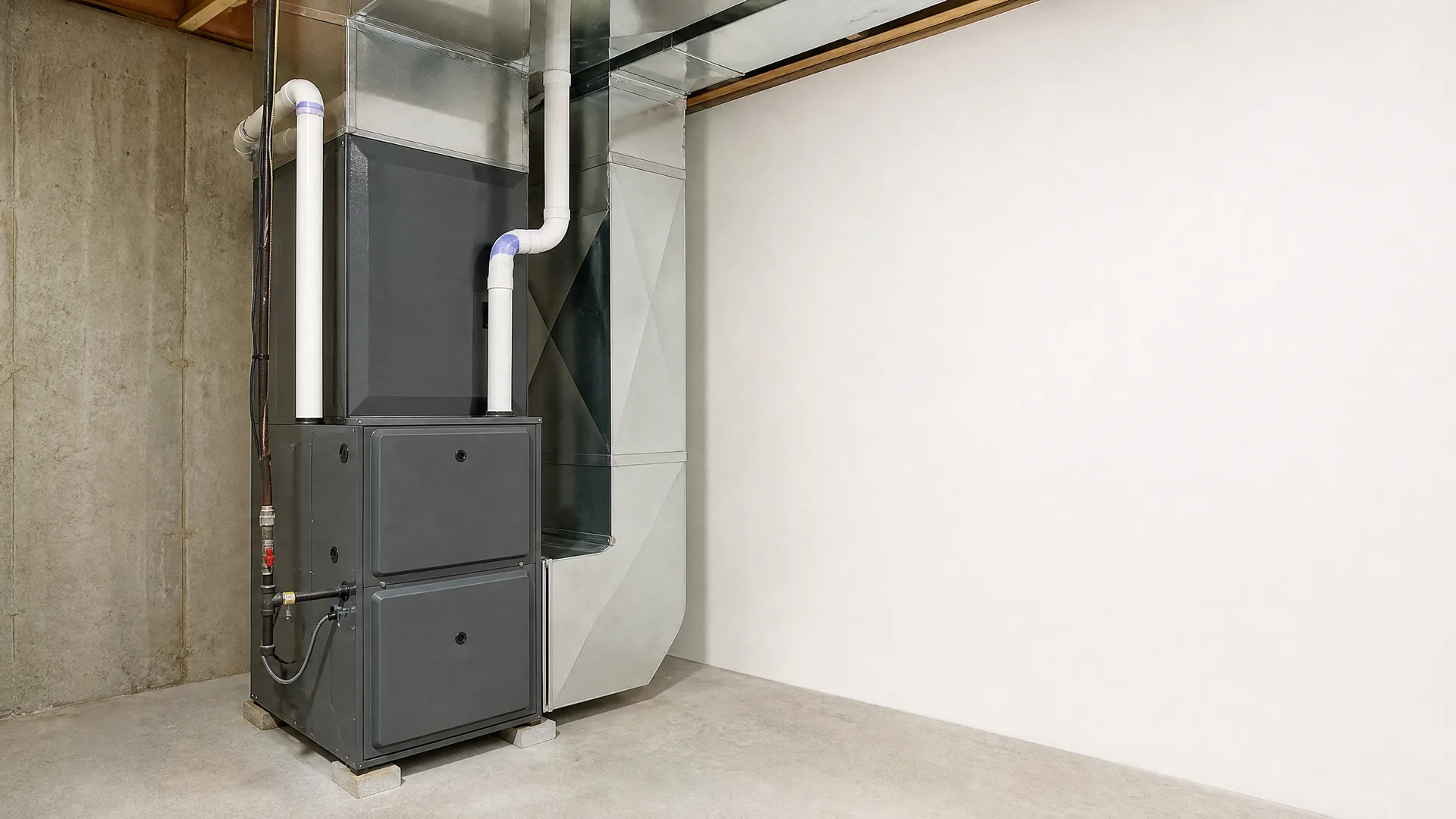
Dust on the heat exchanger
Your furnace sits idle from spring through fall while the air conditioner runs. Dust settles on the burners and the heat exchanger during those months. When you turn the furnace on for the first time, that dust burns off. It smells sharp, almost like a candle just blown out. It should fade within an hour. If it doesn't, something else is burning.
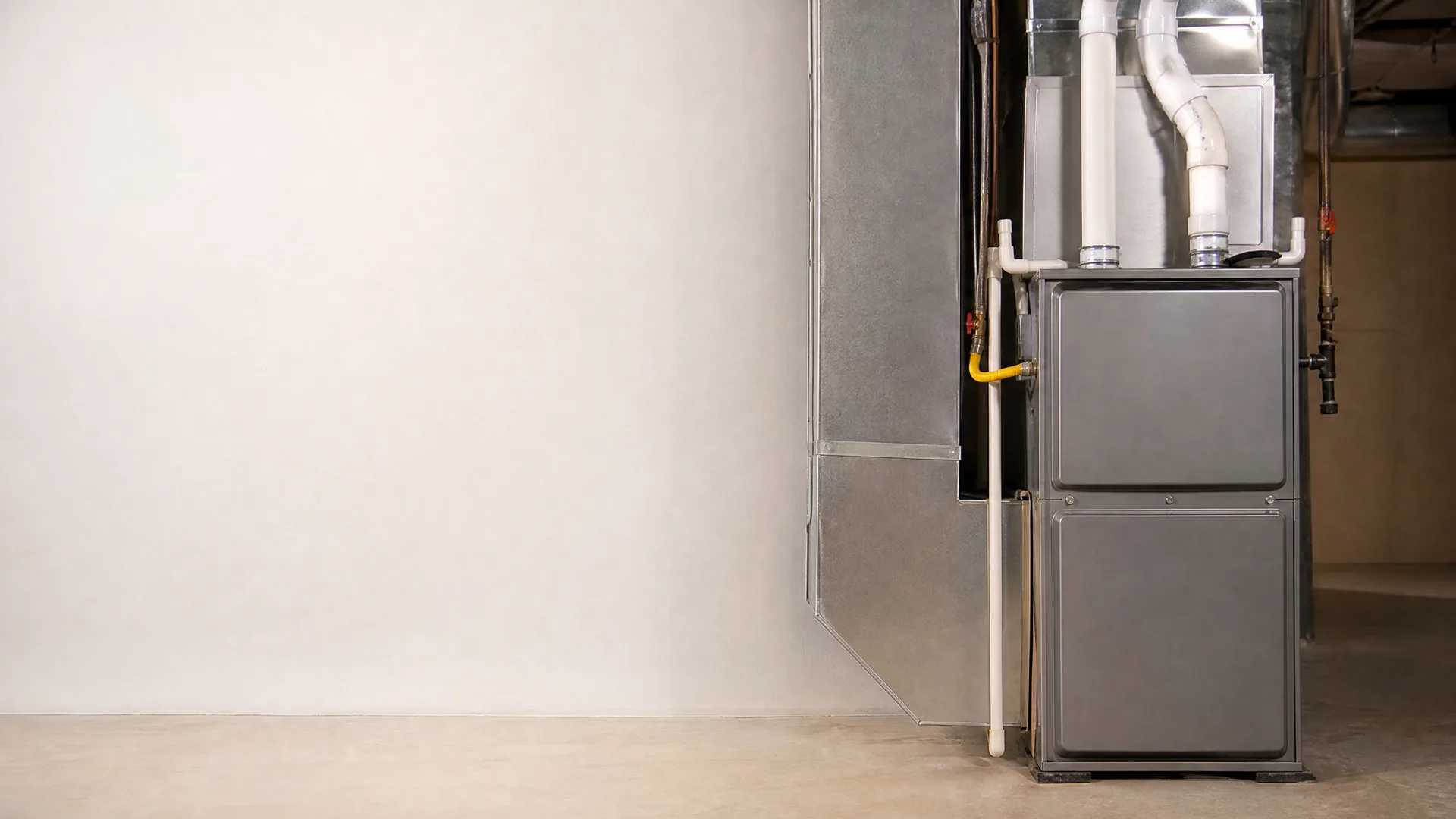
A smell that should not fade
A burning smell that lingers past that first hour, or shows up again later in the winter, points to something running hot. A cracked heat exchanger, a failing blower motor, or wiring under strain can all produce a burning smell that does not go away on its own. That kind of smell is worth having looked at before you run the furnace again.
Winter nights average 33°F statewide
Nights here drop to about 33°F on average in December and January, cold enough that your furnace is running most nights, not just on the rare cold snap. That burning smell shows up fast once it's working that hard.
NOAA nClimDiv 1991-2020 county normals weighted by homes
Dust burning off versus something wrong
A new burning smell when you first run the furnace this season is dust cooking off the burners and the heat exchanger. It fades within an hour or two and doesn't come back once that first layer is gone. That's the harmless side of it. The other side is a smell that keeps coming back every time the furnace cycles on, or one that's sharper, like hot plastic or scorched metal rather than dust. That points to something touching a part that shouldn't get that hot, a wire insulation melting against the cabinet, or a motor bearing running dry. One clears on its own. The other gets worse the longer the furnace keeps running.
What a lingering smell can mean
If the smell is still there after a couple of hours, or it shows up fresh every night once the furnace is running most of the night to keep up, that's not dust anymore. A cracked heat exchanger, a clogged burner, or a blower motor working harder than it should can all produce a burning smell that doesn't fade. Some of these affect more than comfort. Instead of calling around to find someone who works on furnaces and waiting on hold to explain the smell from scratch, you can get matched with a contractor who handles this and have them reach out to you directly.


A furnace pro near you
Describe what your furnace is doing once, in one form.
Asking costs nothing, and the choice to hire stays yours.
Dust smell fades, a real problem doesn't
- A burning smell on the first cold night is dust burning off the heat exchanger and clears within an hour or two.
- A smell that lingers past a couple hours, or returns on later nights, points to something wrong rather than dust.
- A plastic or electrical smell means a part is overheating and the furnace should be shut off until it's looked at.
- With nights near 33°F in December and January, your furnace runs most of the night, so a real problem shows itself fast.
- Gas furnaces depend on a clean burn, and a smell that won't quit is reason enough to get it checked before the cold settles in.
- Sorting out which smell you have, then finding and calling a contractor who can look at it, is the part that takes the time.
The first night you run your furnace this season, that burning smell is almost always dust cooking off the heat exchanger and the burners. It sat there since spring, and the first hour of heat burns it away. Once it's gone, it's gone. If the smell is still there after a couple hours, or it comes back on a night later in the week, that's not dust anymore. Something in the furnace is running hotter than it should, and the smell is telling you that before anything else does. A plastic or electrical smell is a different signal entirely. That means a part is overheating right now, and the furnace should be off until someone has looked at it, not running while you wait and see. Nights in Nevada drop to around 33°F in December and January, so once winter sets in, your furnace isn't cycling on for an hour here and there. It's running most of the night, every night, which means a real problem doesn't stay quiet for long. You'll smell it again, and probably worse. What eats the time isn't the furnace, it's everything around getting it looked at: figuring out if what you're smelling is normal or not, then finding a contractor who answers, explaining the smell and when it started over and over, and weighing quotes against each other before anyone's even come out to look. Getting matched with someone who already knows the situation skips straight past that part.

Furnace Repair
A local pro for your furnace repair

- A local pro who knows furnaces gets your details and gets in touch.

- Send the request and finding a pro stops being your problem.
- After this form, you can stop searching for a furnace pro.

- Describe your furnace job once, to one pro.
- Fill out one short form instead of calling around.

- Only one pro gets your request, so you hear from one company.
- Your request stays with one local pro.