Explain it one time
Why your furnace makes a banging noise in Nevada
A bang when your furnace kicks on usually means a delay in the burners lighting, and it's worth knowing why before it gets worse. This page walks through what causes it and what it means for your system. Skip the search for a Nevada furnace repair contractor, the back and forth calls, and explaining the noise twice. One licensed local who works on furnaces all winter can take it from here.
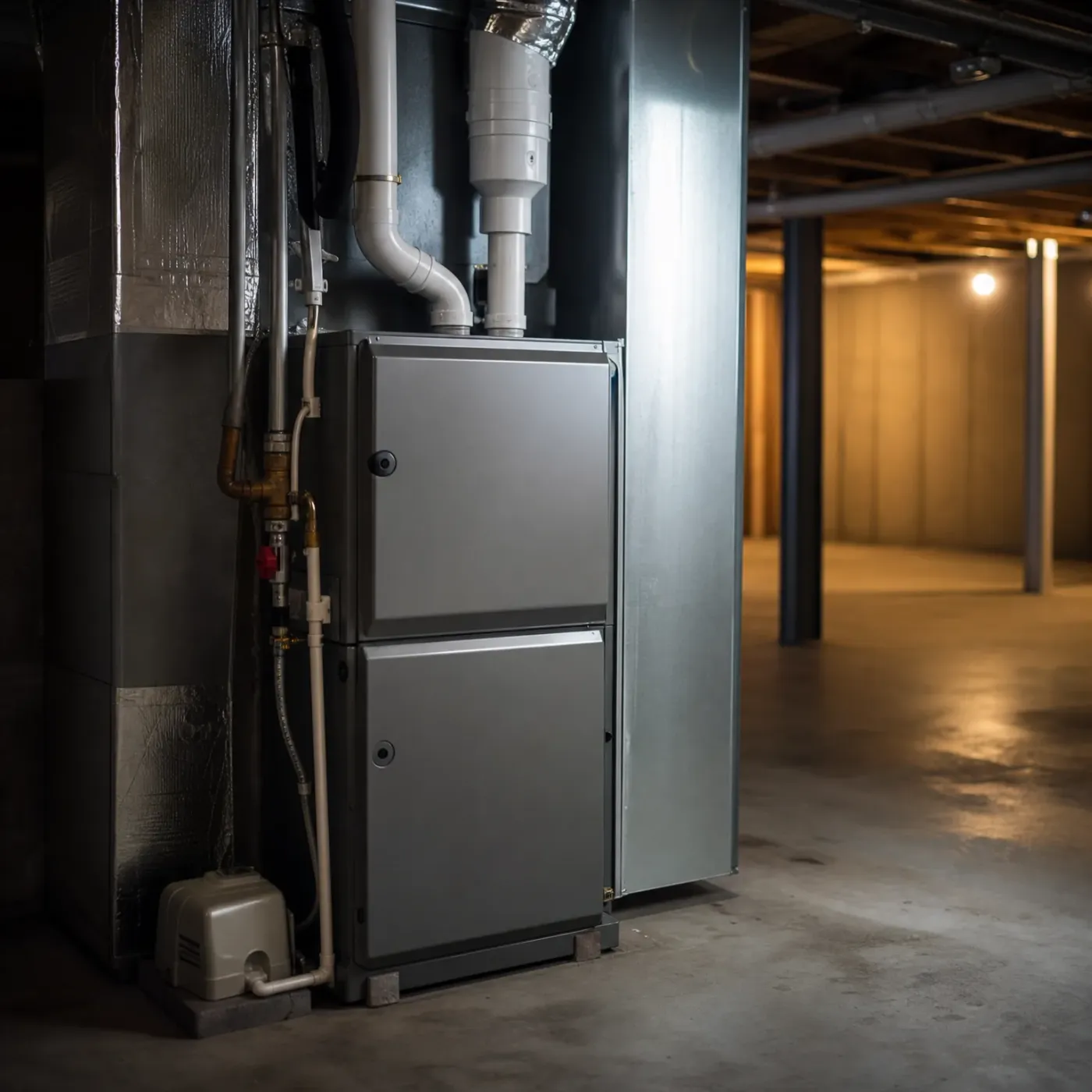
Describe it onceA bang when the furnace fires usually means gas is building up in the burner chamber before it catches, then lighting all at once. That delay points to a dirty burner or a flame sensor that isn't sensing well, sometimes an igniter that's weak and slow to light the gas on the first try. Gas furnaces run most days here from around November through March, and your system fires itself on and off dozens of times a day through that stretch, so a small delay at ignition repeats every cycle. Left alone, it stresses the heat exchanger, the part that separates the flame from the air moving through your house. That's the part you don't want cracked. A bang now and then might be worth watching, but a bang every time the furnace starts is a pattern, and patterns at the heat exchanger are the ones that turn into a bigger repair.





What that bang is doing to your furnace
Every time gas builds up before it catches, that delayed light hits the burner and the heat exchanger harder than a clean ignition would. It's a small jolt, but it repeats every time the furnace cycles on through a Nevada winter. Left alone, it wears on the same parts each time: the burner assembly, the igniter, the flame sensor. One of those failing fully is usually what turns a noise you've gotten used to into a furnace that won't fire at all.
Finding someone to look at it is its own chore. You don't want to be calling around Nevada, explaining the bang over the phone to three different companies, then sitting with quotes trying to guess which one actually knows what they're doing. This connects you with one licensed local contractor instead, someone who works on furnaces in this area all winter and knows a slow-lighting burner when they hear it described. No juggling calls, no repeating yourself to a string of strangers.

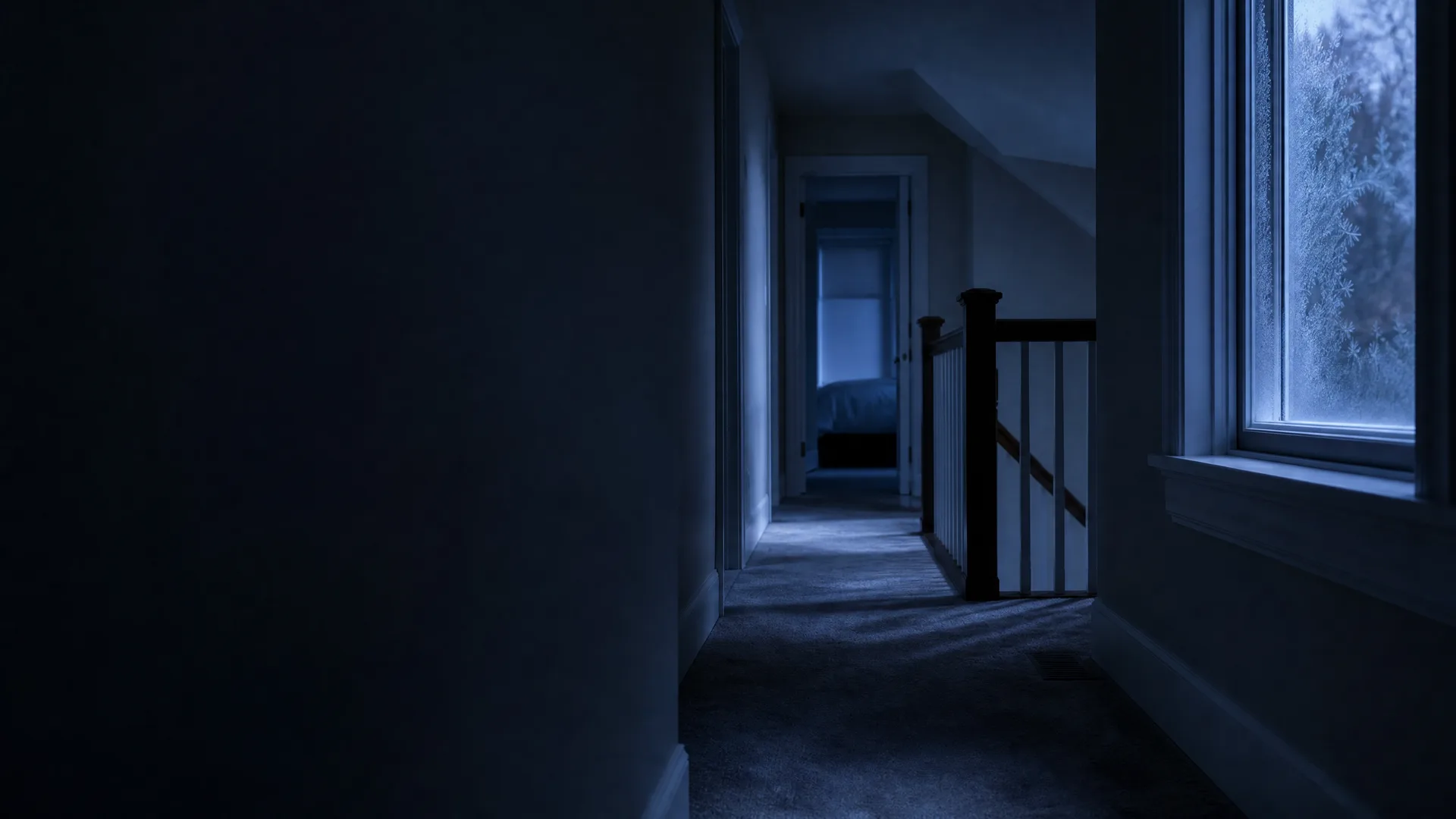
You wake up for no reason you can name. The house is quiet except for the furnace trying again down the hall. Two in the morning, and the vents in the hallway floor aren't pushing anything out. Frost has crept up the edges of the window at the end of the hall, a thin white line in the dark. You stand there in the cold blue light waiting for the bang that tells you it caught. It comes late, louder than it should be. You go back to bed knowing you'll be calling someone about it before work, not after.
Skip the calls to every shop
A furnace that bangs on startup isn't fixing itself between cycles, and most people don't want to spend a week finding out who in Nevada actually works on gas furnaces. You'd be calling around, explaining the same noise to three or four companies, then trying to sort out which quote means the same thing as the next. This page sends your request to one licensed Nevada contractor, not a handful, so you're not fielding five calls back about a furnace you already described once. Whoever gets it works on gas furnaces through the winter here and has heard this bang before, in burner chambers that built up gas the same way yours might be doing now. You already know the furnace is doing something it shouldn't. The part worth handing off is finding someone who can look at the burners and the flame sensor and tell you which one it is.
Why the delay happens at all
Gas furnaces light with either a hot surface igniter or a spark igniter, and both depend on timing. The igniter has to reach temperature or produce a spark right as gas starts flowing, and the flame sensor has to confirm a flame fast enough that the control board doesn't shut things down. When any of that is a half second late, gas keeps flowing into the burner chamber before there's anything to light it. That's the pocket of gas you hear catch all at once. A furnace running on time doesn't build that pocket, so there's nothing to bang.
Why it tends to get louder
A dirty burner or a weak flame sensor doesn't fix itself between cycles. Carbon buildup on a burner gets thicker, not thinner, and a flame sensor reading a weak signal today reads a weaker one next month. So the delay that's shaving a fraction of a second now tends to stretch out over time, and the bang gets louder along with it. That's the pattern worth checking for: if the noise has gotten worse over the past few weeks rather than staying the same, something in the ignition system is wearing down, not just acting up once.


Winter nights average 33°F statewide
At 33°F, your furnace is firing most nights from December through February, not just a few cold snaps. A bang on startup that happens once a week starts happening most nights it runs, which means the burner takes that jolt a lot more often.
NOAA nClimDiv 1991-2020 county normals weighted by homes
What that bang is telling you
- A bang on startup means gas is building up before it lights, not catching clean and even.
- The usual cause is a dirty burner, a weak igniter, or a flame sensor that's slow to confirm a flame.
- Nevada winters push furnaces to fire most nights from December through February, so the jolt repeats often.
- Each delayed light hits the burner and heat exchanger harder than a clean one would, cycle after cycle.
- A licensed local contractor who works on gas furnaces all winter can trace the delay to the actual part failing.
- Left alone, the noise doesn't go away on its own and the part behind it keeps wearing.
The noise has one explanation that fits. Gas is gathering in the burner chamber for a moment before it lights, so instead of a clean catch you get a small, delayed thump. That delay comes from somewhere specific: a burner that needs cleaning, an igniter that's lost strength, or a flame sensor that's slow to confirm the flame is there. None of those clear up by themselves, and in a Nevada winter the furnace doesn't get much rest to make up for it. Once temperatures settle into the 30s, it's firing most nights from December through February, which means whatever delay is happening on startup is happening on most of those nights too. Each one is a small jolt to the burner and the heat exchanger, and those add up the same way any repeated stress does, whether you're watching for it or not.
None of that tells you which part has actually failed in your furnace. That takes someone who can open it up, watch it fire, and see where the delay is coming from, which is the kind of thing a local contractor who works on gas furnaces all winter in Nevada has seen plenty of times before. What's true either way: the noise is a sign something specific is wearing down, it will keep happening on the furnace's own schedule rather than yours, and the part behind it won't recover on its own. Knowing what the bang means doesn't fix it. It just tells you what's worth having looked at before it goes further.


Furnace Repair
Skip calling around
Your request goes to one pro, not a list of companies.
