 Get matched
Why your furnace is blowing cold air in Nevada
Describe your furnace job, and a local pro who handles it gets in touch.
A furnace blowing cold air in a Nevada winter usually comes down to a few things: the igniter failed, the flame sensor is dirty, the thermostat is set to fan instead of auto, or the gas valve isn't opening the way it should. Sometimes the furnace starts, runs for a few minutes, then quits and the blower keeps pushing room-temperature air through the vents. That points to a safety switch shutting the burner down.
You know your winters here aren't long, but they're cold enough overnight that a furnace stuck blowing cold air is a real problem, not a minor annoyance. And because most homes in Nevada heat with gas, this is a furnace issue and not something electric baseboards or a heat pump would show differently.
Figuring out which of these it is from the vents means pulling the panel and watching the ignition sequence, which isn't something to do yourself if you're not familiar with the parts. A contractor who works on gas furnaces through the winter here has seen this exact complaint many times and usually has a good guess before they even open the cabinet, based on the furnace's age and what brand it is.
This page can match you with a licensed contractor local to your part of Nevada who handles this kind of repair. You'll hear from one contractor, not a handful of companies competing for the job, and that contractor will reach out directly once you've answered a few questions about your furnace and what it's doing. They'll know the equipment common in homes around here and won't be guessing at what they're walking into.
Answer a few questions about your system below and what you're seeing, and the next step is a call from someone who can actually look at it.
A furnace blowing cold air usually means it isn't burning gas at all. The blower is pushing air, but nothing is heating it. Most often the igniter has failed or the flame sensor is coated enough that it can't detect a flame, so the furnace shuts the gas valve down as a safety measure. A dirty air filter can cause the same symptom a different way: airflow gets choked, the furnace overheats, and it shuts off the burners while the blower keeps running on its own for a while. Sometimes the fix is simpler still. The thermostat fan setting might be on "on" instead of "auto," which runs the blower nonstop whether the burners are firing or not. None of these are something to wait out. A furnace that won't hold a flame on a cold morning needs a look from someone who can test the igniter, the flame sensor and the gas valve and tell you which one it is.


Thermostat Fix or Furnace Repair
Thermostat set to fan
- The fan switch on the thermostat has two settings, on and auto, and on keeps the blower running whether the burners fire or not.
- Set to on, the blower pushes air through the ducts around the clock, including the long stretch after the burners shut off and the heat exchanger has gone cold.
- This is the one cause you can rule out yourself, in about a minute, before anyone touches the furnace.
- Flip it to auto and the blower should only run while the burners are actually heating the air.
- If cold air keeps coming with the switch on auto, the problem is in the furnace itself, not the thermostat.
Ignition or gas supply failure
- A failed igniter can't light the burners at all, so the blower runs on schedule but there's no flame behind it.
- A flame sensor coated with residue reads no flame even when the burners did light, and the furnace cuts gas to the valve as a safety response.
- A gas valve that isn't opening fully starves the burners of fuel, so they light weak or not at all.
- None of these parts can be judged by looking at the furnace from across the room or listening to it run.
- A technician who services furnaces in Nevada every winter checks the igniter, the flame sensor and the gas valve in sequence to find which one actually failed.
- Getting matched with a local, licensed contractor means one person comes out, not several companies calling, and that one visit is what tells you which part needs replacing.

It's past seven on a November evening, and the basement light is off except for what spills down the stairs. The furnace sits against the wall, quiet. No hum from the blower, no blue flicker through the vent slots. A thin haze of dust hangs in the air near the cabinet, stirred up from a cycle that started and quit. You came down because the air through the register upstairs felt wrong, like the system was running without trying. Outside, the desert night is already dropping hard. You crouch by the unit and wait a few seconds, listening for the click and catch that doesn't come, before you go find your phone to look up who actually works on these.
A local pro for your furnace repair
A gas furnace that won't light is not something to leave until next week. Nevada homes run on gas heat, and a furnace that keeps tripping on a bad igniter or a dirty flame sensor usually gets worse before it gets better, not better on its own. The part that's failing now is one a local tech sees every winter, on this same brand and age of furnace, in houses not far from yours. That's the kind of thing that's hard to diagnose over the phone and easy to miss if you're guessing. Getting matched with a licensed contractor who works in your area means someone who already knows which part tends to go first on these systems and what to check before touching anything else. You'll hear from that one contractor directly, not a handful of companies competing for the job. With a cold snap in the forecast and a furnace that's only running the blower, that's one less thing to sort out on your own.
How Your Furnace Actually Lights
- The igniter has to reach a set temperature before the control board will open the gas valve, and a cracked one often fails that test on just the cold mornings you need heat most.
- A flame sensor works by reading a tiny electrical current through the flame itself, and a layer of soot or oxide can drop that signal below what the board will accept.
- Most furnaces give an igniter three tries to light before the board locks out the burners and leaves the blower running on its own.
- The draft inducer motor has to prove it's pulling exhaust before the igniter even gets power, so a weak inducer can stop ignition before it starts.
- A limit switch will shut the gas valve if the heat exchanger runs hotter than it should, which can happen when a dirty filter is choking airflow across it.
- The blower and the burners are controlled separately, so a dead igniter or a tripped limit switch stops the flame without ever stopping the fan.
A gas furnace doesn't just flip on when the thermostat calls for heat. The control board runs through a sequence, and every step has to pass before the next one starts. First the draft inducer motor spins up and has to prove it's pulling exhaust out the vent. Only then does the board send power to the igniter. The igniter has to climb to a set temperature, hot enough to light gas the instant the valve opens. If it's cracked or weakening, it may heat slowly enough to miss that window, especially on a cold morning when the furnace has been sitting idle all night. Once the burners light, the flame sensor takes over. It reads a small electrical current that only flows when it's actually sitting in a flame. Soot or oxide buildup on that rod can cut the signal low enough that the board reads no flame at all, even though gas is burning. Either failure, igniter or sensor, and the board gives up after a few tries and locks out the burners for safety. There's also a limit switch watching the heat exchanger. If airflow across it is restricted, often from a dirty filter, the exchanger overheats and the switch cuts the gas valve. None of this touches the blower. The fan runs on its own schedule, so it keeps pushing air through the ducts whether or not anything downstream is actually on fire.




What are you noticing right now in your house
The vents are blowing, but the air feels room temperature or cooler. The thermostat might read the right number, or it might be climbing slower than it should. You may hear the blower running steady, maybe for a long stretch, without the usual whoosh of warm air a minute or two in. Some furnaces click and try to light, then go quiet, then try again. Others just run cold the whole time with no attempt to fire. Rooms farthest from the furnace lose heat first. Left alone through a cold Nevada night, pipes in an unheated space can get close enough to freezing to matter, and a furnace that keeps failing to light is putting wear on parts that get more expensive to replace the longer it's ignored.
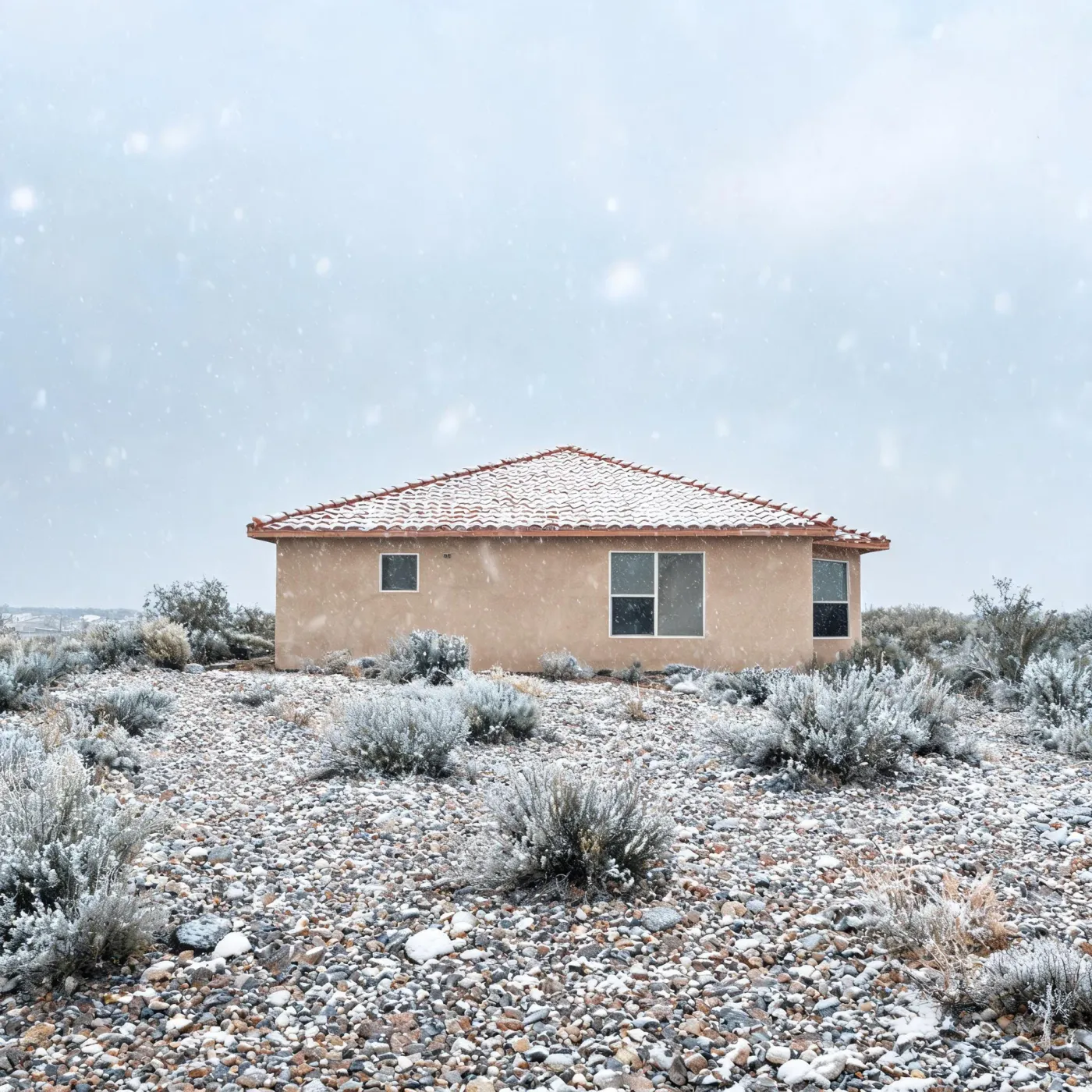
Statewide, winter nights average 33°F. That's right around freezing, so your furnace isn't just kicking on for an hour in the morning, it's cycling on and off most of the night to hold the temperature. Every one of those cycles depends on the igniter lighting the burners and the flame sensor confirming they're lit. A furnace blowing cold air at 2 a.m. in that kind of cold doesn't wait for a better time to get fixed. If the igniter or sensor is failing, the cold nighttime hours are exactly when it tends to give out, leaving the house to drift toward whatever the air outside is doing.
NOAA nClimDiv 1991-2020 county normals weighted by homes


Winter nights average 33°F statewide
At 33°F, that igniter or flame sensor isn't just lighting the furnace once and resting. It's firing over and over through the night, and a part that's already failing usually picks one of those cold hours to quit for good.
NOAA nClimDiv 1991-2020 county normals weighted by homes

Cold air from the vents means no flame, not a thermostat problem you can wait out
A furnace blowing cold air almost always traces back to the igniter, the flame sensor, or a gas valve that isn't opening. The thermostat fan switch is worth checking first because it costs nothing to look. Past that, it's a part that needs hands on it, not a setting.
Someone who works on furnaces around Nevada all winter has seen which part usually goes first in homes like yours, and what else to check while they're in there so the same call doesn't happen again in January. Ask to be matched and you'll hear from one licensed local contractor, not a handful of companies competing for the job.


Get the right pro for your furnace
The pro who reaches out is licensed in Nevada.