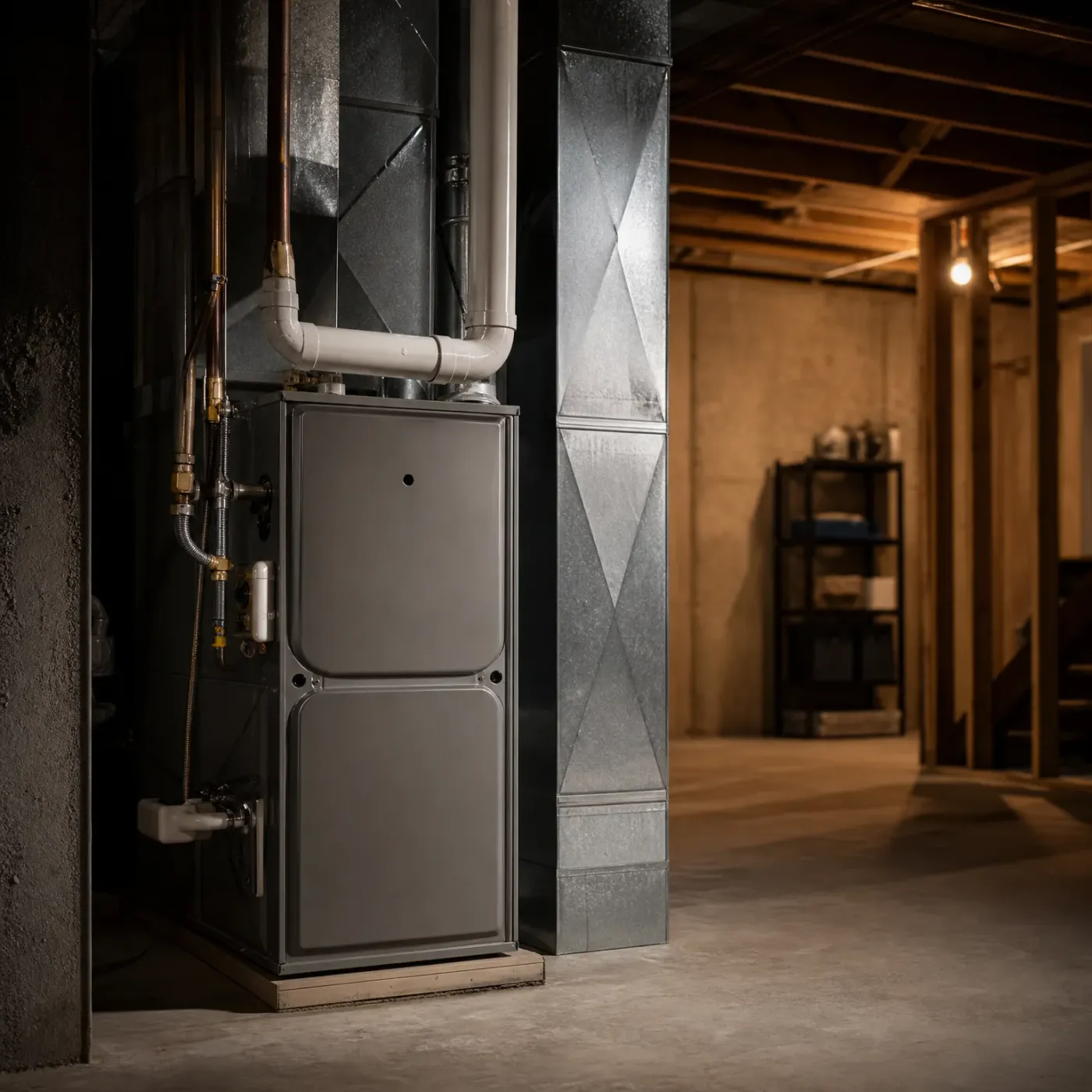
Get the right pro for your furnace
What temperature to set the heat in a Nevada winter
Most people ask this because their gas bill jumped or the house feels too cold at night. There's a range that works for Nevada winters without running your furnace nonstop, and a few settings worth checking so it doesn't short-cycle or leave a room cold. If it's time for a tune-up, you can skip calling around and get matched with a contractor who'll reach out directly.
Find a furnace proMost homes in Nevada do fine with the thermostat around 68 degrees during the day in winter, down to 60 or 62 at night or when nobody's home. Nevada winters aren't brutal compared to colder states, so your furnace isn't working as hard as it would elsewhere, but desert nights still drop enough that a gas furnace will run for real stretches once the sun goes down. Setting it lower at night doesn't hurt anything and gives the furnace a break. What matters more than the exact number is how steady it holds. If one room runs cold while the thermostat reads 68, or the furnace kicks on and off every few minutes instead of running a normal cycle, that's not a thermostat problem. It usually points to something in the system itself, worth having looked at before it turns into a bigger repair.




When your furnace gets a call for heat, the burners light first. The blower holds off for half a minute or so, which is why the first air out of the vents feels cool rather than warm. Once the house reaches your setting, the burners shut off, but the blower keeps pushing air a little longer to clear the heat still sitting in the heat exchanger. That sequence is normal and it's also why big jumps on the thermostat backfire. Push the setting up several degrees at once and the furnace runs a long cycle trying to catch up, burning more gas than it would holding steady. Go too far the other way and you can get short cycling, where it fires, shuts off, and fires again before the house actually warms. Where the thermostat sits matters too. One stuck in a drafty hallway or against an exterior wall will call for heat more than the rest of the house needs. And if the furnace seems to struggle before it catches, blowing cold air first, that's often a flame sensor or igniter worth having looked at.
How your furnace actually runs
- Your furnace fires the burners first, then waits about 30 to 45 seconds before the blower kicks on, so the air coming out won't feel instantly warm.
- A gas furnace holds its flame steady until the thermostat is satisfied, then shuts the burners off while the blower keeps running to pull the last of the heat out of the heat exchanger.
- Dropping the thermostat more than a few degrees at once makes the furnace run a long cycle to catch up, which uses more gas than letting it hold a steady setting.
- Setting the heat too low and then cranking it up fast can cause short cycling, where the furnace shuts off and restarts before it's actually warmed the house.
- The thermostat reads the air right around it, so a thermostat near a drafty hallway or an exterior wall will call for heat more often than the rest of the house needs.
- A dirty flame sensor or a weak igniter can make the furnace try to start several times before it catches, which shows up as cold air blowing before the heat comes on.



You're down in the basement on a Saturday afternoon, pulling the filter to see how bad it is before the cold really sets in. It slides out grey, dust thick enough that you can't see through it to the light behind. You'd set the thermostat back to 68 last week when the mornings turned sharp, and the furnace has been running longer stretches since. Holding the filter up, you can feel how hard it's had to pull air through that. The basement smells faintly of dust warmed by the burner. You make a mental note to grab a new filter on the way home, and to find someone to look at the whole system before the rest of the winter settles in.
Why does one room stay cold no matter what you set
You bump the thermostat up a few degrees and the hallway warms but the back bedroom doesn't. You notice the furnace running longer than it used to, or kicking on and off every few minutes instead of settling into a steady cycle. Maybe you hear a rattle in the ductwork when it starts, or the air coming out feels weaker than it did last winter. On its own, an uneven room is just an uneven room. But paired with a furnace that cycles too fast or runs too long to catch up, it usually means it's working harder than it should to hit whatever number you've set, and that shows up on the gas bill before it shows up as a real problem.


A pro who works on furnaces
A thermostat setting only works if the furnace behind it is doing its part. One room that won't warm up, a blower that runs longer than it used to, a flame that cycles on and off every few minutes instead of settling in, any of that means the furnace is working around a problem instead of just heating your house. Finding that problem yourself means calling around to contractors, explaining the same thing more than once, and sorting through quotes to see who's worth trusting with a gas appliance in your home. Handing it off instead means one contractor who works on furnaces in your area gets your request and reaches out to you directly. You keep the 68 and 60 you've settled on. What changes is whether your furnace can actually hold it without straining, short-cycling, or leaving that back bedroom cold all winter.
A thermostat holding steady at 68 instead of climbing and falling a few degrees each cycle means less wear on the igniter and blower motor over a winter.
That steadiness comes from the furnace itself, not the thermostat. A clean flame sensor and a calibrated thermostat keep the swing small enough that you never notice it.
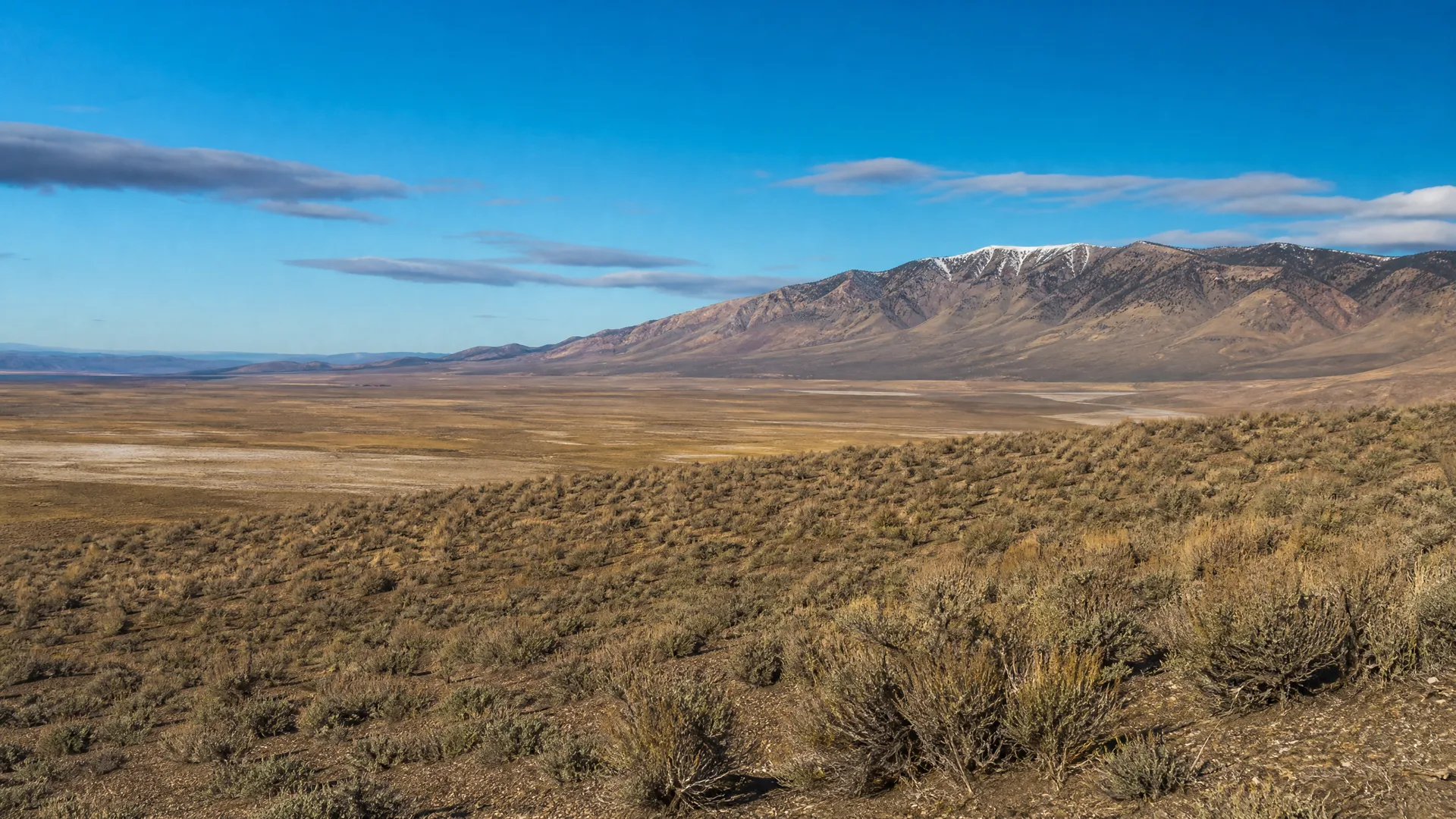
Winter nights average 33°F statewide
33 degrees at night means your furnace is on for most of the evening and early morning, not just in short bursts. Setting it back a few degrees before bed still keeps the house above freezing without the burners running until sunrise.
NOAA nClimDiv 1991-2020 county normals weighted by homes
The thermostat senses room temperature dropping below your setting
The control board opens the gas valve and starts the igniter
Burners light and heat the furnace's metal heat exchanger
The blower starts 30 to 45 seconds later, pushing heated air through the ducts

68 by day, 60 or 62 at night, and a furnace that's checked once a year
That's the range that works here. Nevada winters don't ask much of a furnace compared to colder states, so holding steady at 68 during the day and backing off at night won't run up a bill you can't explain. The setting is the easy part. Whether the house actually holds that temperature room to room, without one setting running longer than it should, comes down to the furnace.
If you've read this far wondering why your setting isn't matching what you feel in the house, that's not something a thermostat number fixes. A contractor who knows gas furnaces in Nevada can look at yours and tell you what's actually going on, without you having to call around and explain the same thing three times. You'd be matched with someone who takes on jobs like yours, and they'd reach out to you directly.


Furnace Maintenance
Get your furnace to the right pro

- Say what's going on with your furnace, and a pro who works on them reaches out.
- A local pro who knows furnaces gets your details and gets in touch.

- Send the form and the furnace tune-up stops being something to remember.
- One request and finding someone for the tune-up is handled.

- One form instead of hunting for a pro who does furnace tune-ups.
- Explain the job once and skip repeating it on every call.

- A licensed local pro takes the request for your furnace tune-up.
- Your request goes to one pro, not a list of companies.