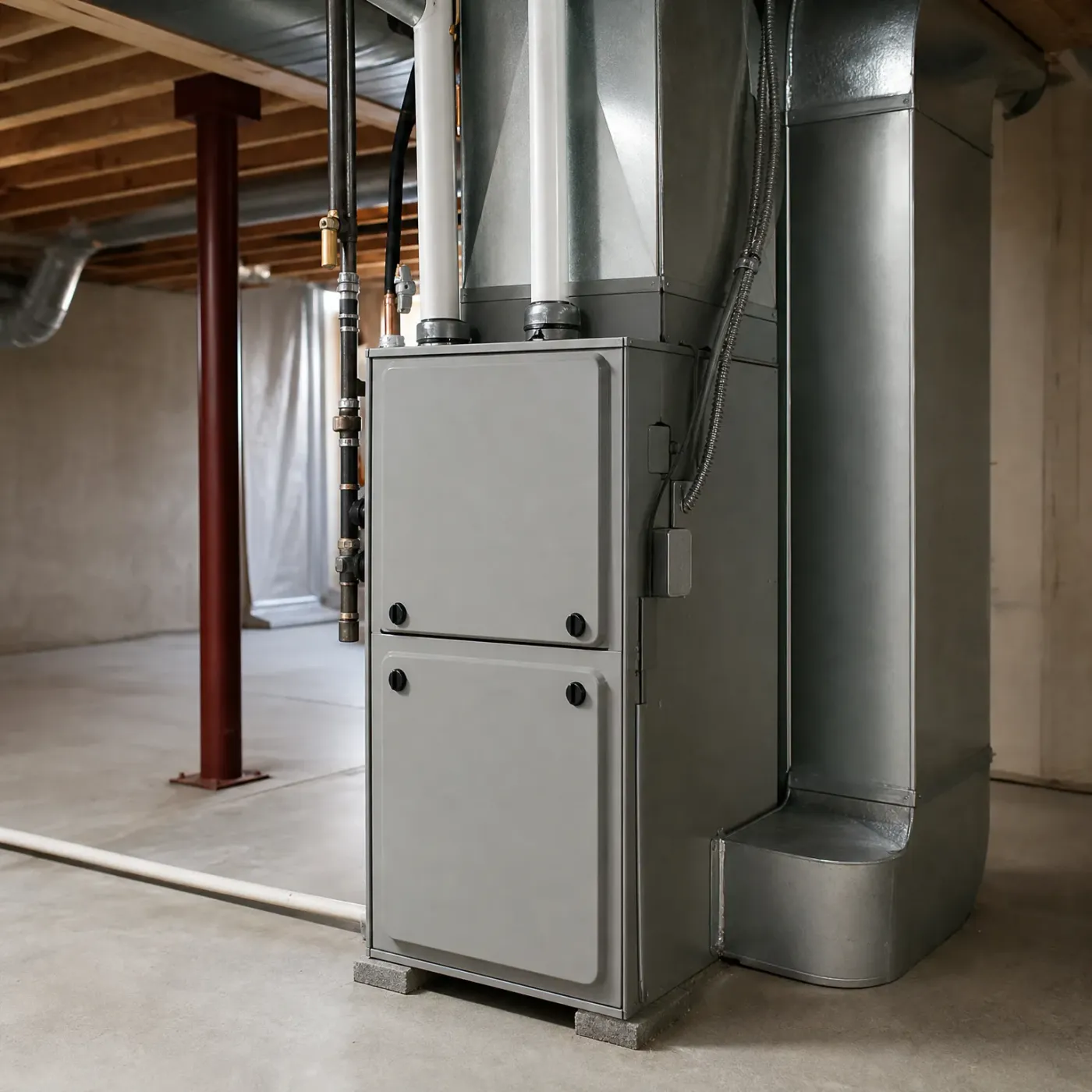
Still running fine
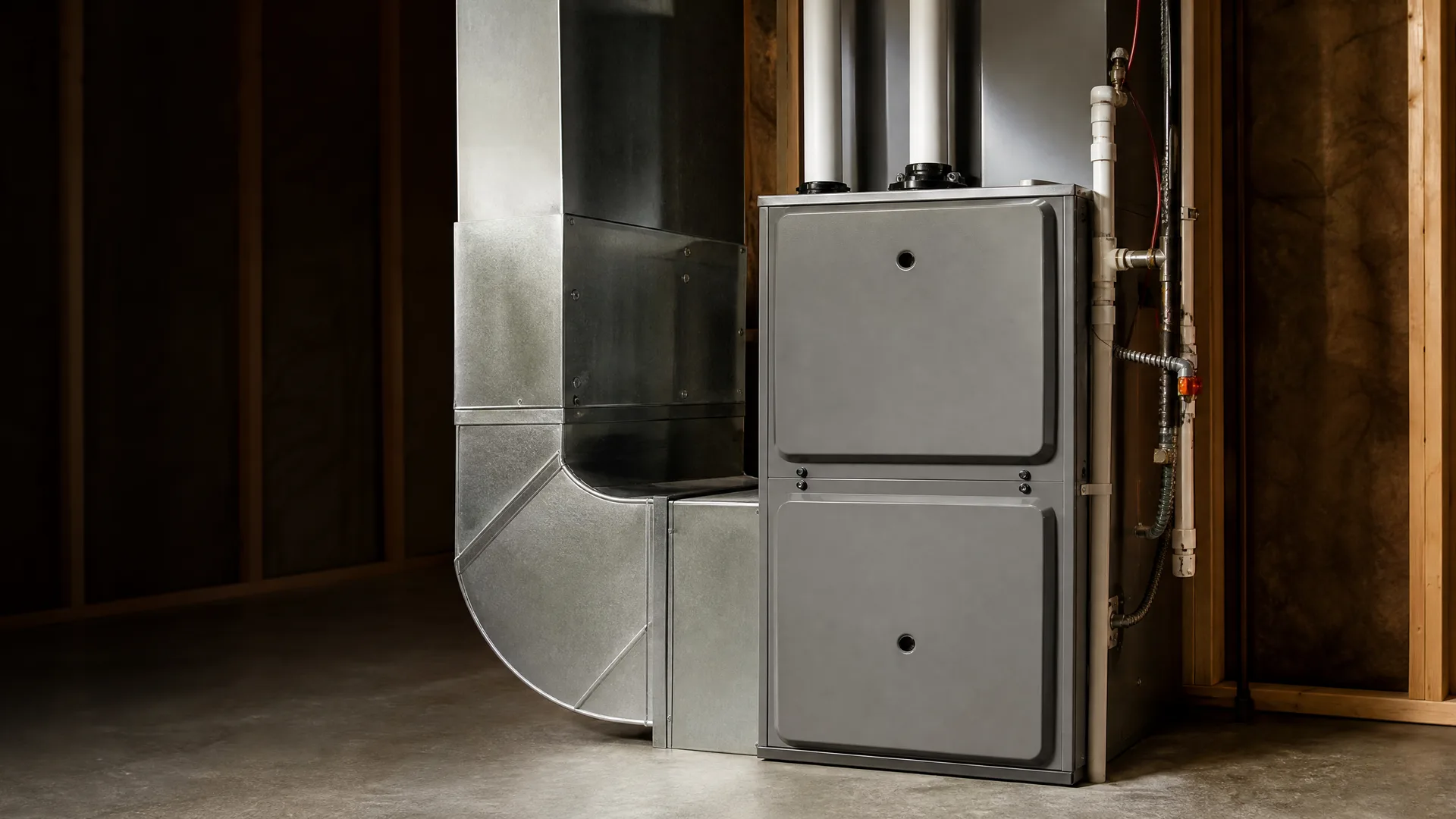
This is a furnace doing its job. No rust, no rattle, the burner lights and the air comes out warm. If yours looks like this, a repair makes sense when something fails. One bad part doesn't mean the cabinet is near the end.
 Hand it off
One request ends the search for a furnace installer.
A furnace that's starting to struggle rarely picks a convenient time. It short cycles, or the air coming out feels cooler than it should, or it just stops lighting one morning and you're standing in a cold house trying to figure out whether this is a quick fix or the beginning of something bigger.
Most homes in Nevada heat with gas, and a furnace that's old enough to be failing has usually earned some suspicion. A repair might buy you another winter. Or the cracked heat exchanger, the igniter that's failed twice this year, the blower that struggles to start, might be telling you it's done. The honest answer depends on what's actually wrong, not on a guess.
That's a call for someone who works on these furnaces all the time, not a search engine. A local contractor who services this equipment every winter has seen what tends to go first in units your furnace's age, and can tell you straight whether you're looking at a repair or a replacement, and why.
Send the request and that becomes someone else's problem to sort out, not yours. You're not stuck calling around, explaining your furnace to three different companies and getting three different answers. One licensed, local contractor gets your information, and the work of finding help is done the moment you hit send.
Nevada's summers are hot and dry, and power here is cheap, but none of that changes what a failing furnace costs you in comfort through the winter months. A new furnace installed right, sized right, run on gas like most homes here, is a long-term fix, not a patch. Whether that's the right move for your situation is exactly what a local contractor is positioned to tell you.
Your furnace is giving you trouble again, and before you call anyone you want to know whether you're about to pay for a repair that just buys you a few more months, or whether it makes more sense to put that money toward a new system. Nobody wants to spend on a fix only to be back here again before next winter.
A furnace that's 15 years old or older and needs a major part like the heat exchanger or the blower motor is usually a replace, not a repair. The cost of that single part starts to rival a good chunk of a new unit, and an old furnace has other parts just as close to failing. A furnace under 10 years old with a bad igniter, flame sensor, or capacitor is almost always worth fixing. Gas furnaces here don't run as hard as the AC does through a Nevada summer, so a well-kept one can last a long time, but once the big components start going, replacing it stops more breakdowns before they start.
This is a furnace doing its job. No rust, no rattle, the burner lights and the air comes out warm. If yours looks like this, a repair makes sense when something fails. One bad part doesn't mean the cabinet is near the end.

Surface rust on the cabinet, a plenum that's been patched more than once, pipes that look tired. None of that stops a furnace from running, but it tells you the unit has been through a lot of winters. At some point a repair just holds off the next one.




When your thermostat calls for heat, the igniter warms up first. The control board waits for it to reach temperature before it opens the gas valve, because lighting gas against a cold igniter is how you get a delayed ignition and a bang instead of a quiet light-off. Once gas flows, the flame sensor has only a few seconds to confirm a stable flame. If it doesn't see one, the board cuts the gas and tries again, or locks out and waits for a reset. That sensor is a small rod near the burner, and it's one of the most common things that gets dirty enough to cause trouble over time. The inducer motor is already running by this point, pulling exhaust up through the heat exchanger and out the flue so nothing backs up into the house. Warm air doesn't move right away. The blower waits a short delay so the heat exchanger has time to come up to temperature, which is why you feel cool air for a few seconds before the warm air starts. The heat exchanger itself is the part that matters most. It's a sealed chamber that keeps combustion gas separate from the air going into your rooms. If it cracks, that separation fails, and there's no repair for that. It gets replaced. Short cycling, where the burner lights and shuts off again and again, almost always comes back to that flame sensor or a filter choking off airflow to the burner.


One installer gets your project, so there's no bidding war over it.
Send the form and the search for an installer is over.
It costs nothing to send, and you don't have to hire anyone.
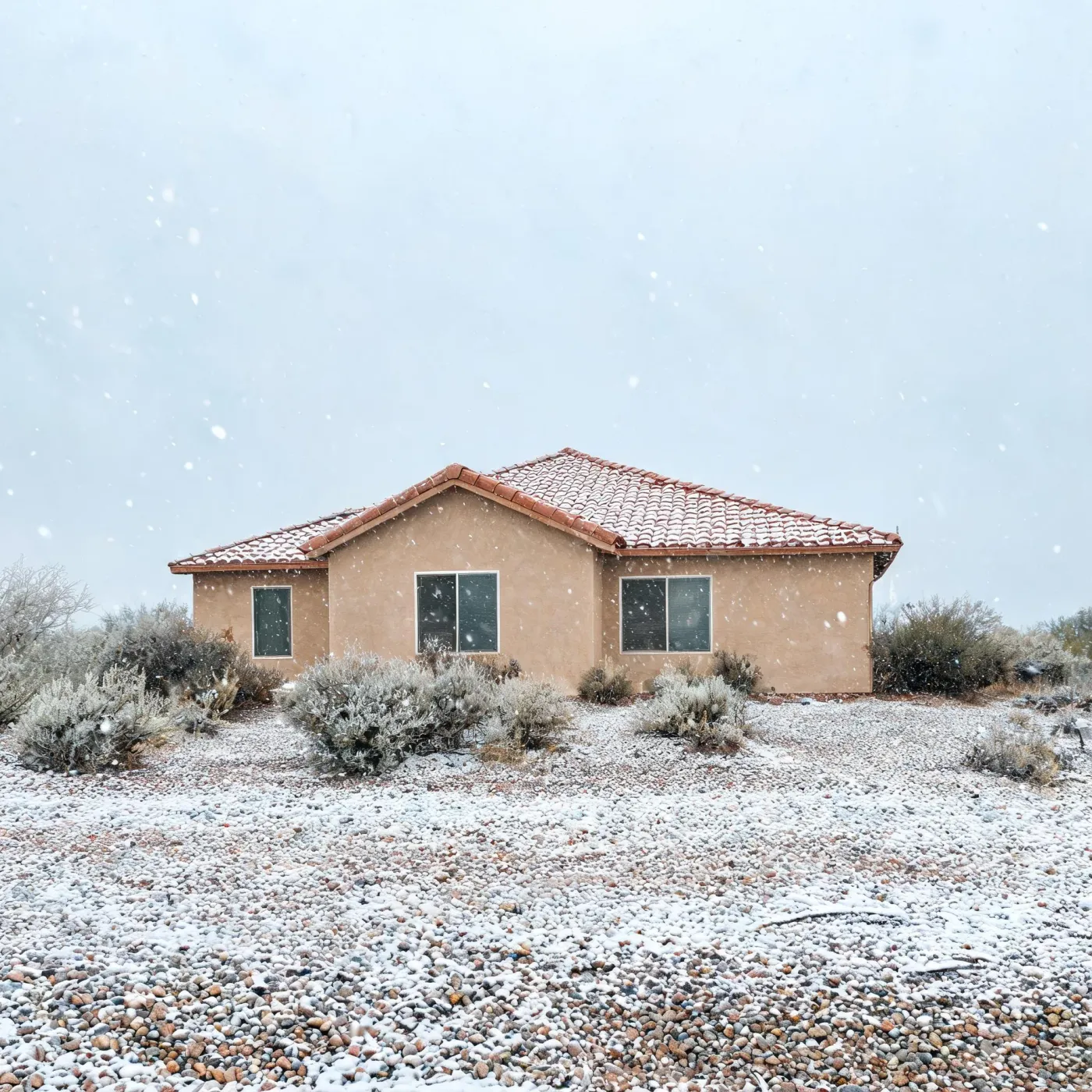
Nevada winter nights average 33°F statewide, per NOAA climate data. That's right around freezing, so your furnace isn't just cycling on in the evening, it's working to hold the house through the coldest hours before dawn. A furnace that's losing efficiency shows it here first: longer run times, a harder time getting the house back up to temperature by morning, or air that feels lukewarm instead of warm. If yours has started lagging on cold nights, that's the system telling you something before it fails outright.
NOAA nClimDiv 1991-2020 county normals weighted by homes
You might notice the burner taking a few tries to catch, or a clicking sound before it finally lights. Maybe the blower runs longer than it used to before the house feels warm, or you hear a rattle from the cabinet that wasn't there last winter. Some rooms stay cold while the thermostat reads like it should be comfortable. A furnace that keeps lighting late or struggling to stay lit is one that's working harder for less heat, and if a crack or a bad sensor goes unchecked, you risk it shutting down on one of those cold nights before dawn, right when you need it most.
The old furnace and its vent or gas connections get fully disconnected and removed.
The technician checks duct size, gas line capacity, and venting before setting the new unit.
The new furnace is set in place and connected to gas, power, and ductwork.
Startup tests check the flame, airflow, and safety controls before you're handed a working system.




That's the stretch a gas furnace usually covers before parts start failing for good. If yours is near that range, a repair now may not be the last one.
A new furnace's efficiency rating is printed on the unit and tells you how much of every dollar of gas actually heats the house instead of venting out.
33°F is the average overnight low here, which means plenty of nights drop colder than that. Your furnace has to run through those early morning hours to keep the house from feeling it, and the harder it works to do that, the more a weak igniter or a tired blower shows itself.
NOAA nClimDiv 1991-2020 county normals weighted by homes
A furnace either needs one part fixed or it needs to be replaced, and by now you have a sense of which one yours is. If the cabinet is clean and it's one part failing, get it fixed. If it's old and tired and failing in more than one way, replacing it is the better use of your money. Either way, this is work for someone who knows gas furnaces, not a generalist. A local contractor who services this equipment all winter has seen what usually goes wrong in a Nevada furnace, from the igniter to the heat exchanger, and knows what a repair can fix and what it can't. Send the request and you're matched with one licensed contractor local to you, not a handful of companies competing for the job. No juggling calls, no repeating yourself to five different people. Just the one call, from someone who already knows what to check first.
It's off your list after this