Furnace pilot light keeps going out in Nevada

Step 1 of 3: Equipment

A pilot light that keeps going out is usually a thermocouple that's worn out or sitting out of position. The thermocouple sits in the pilot flame and tells the gas valve it's safe to stay open. Once it weakens, the valve reads that as no flame, even when there's a flame right there, and it shuts the gas off. Dust and a draft in the burner compartment can do the same thing by snuffing the pilot out directly. Either way, the fix is in that pilot assembly, not somewhere else in the furnace. In Nevada, dry air carries dust into the cabinet easily, and that dust settles on the pilot and thermocouple over the months the furnace sits unused through summer. Relighting it yourself buys a day or two at most. A furnace that won't hold a pilot needs the part looked at and replaced before the nights turn cold and you're relying on it every day.

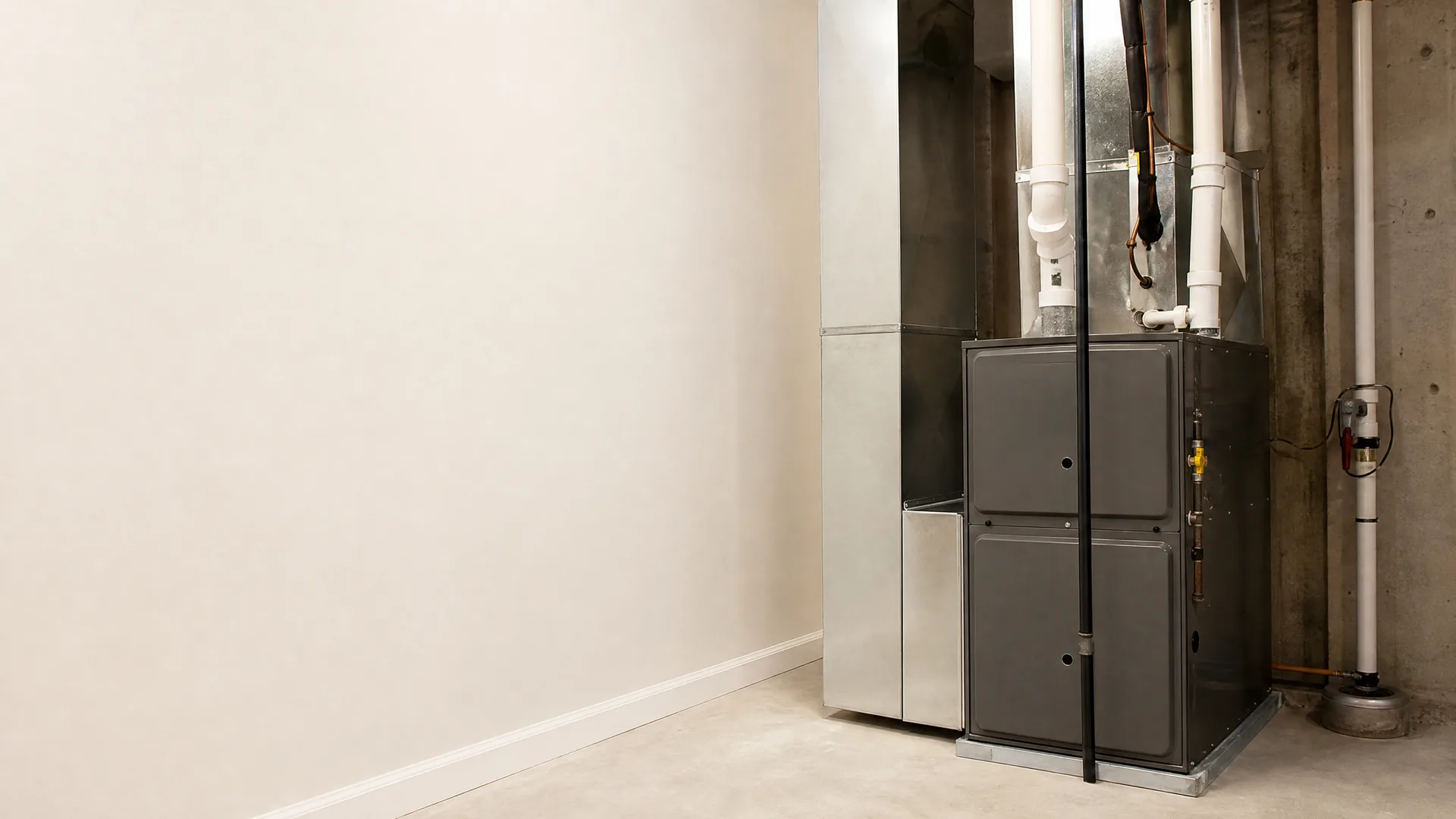
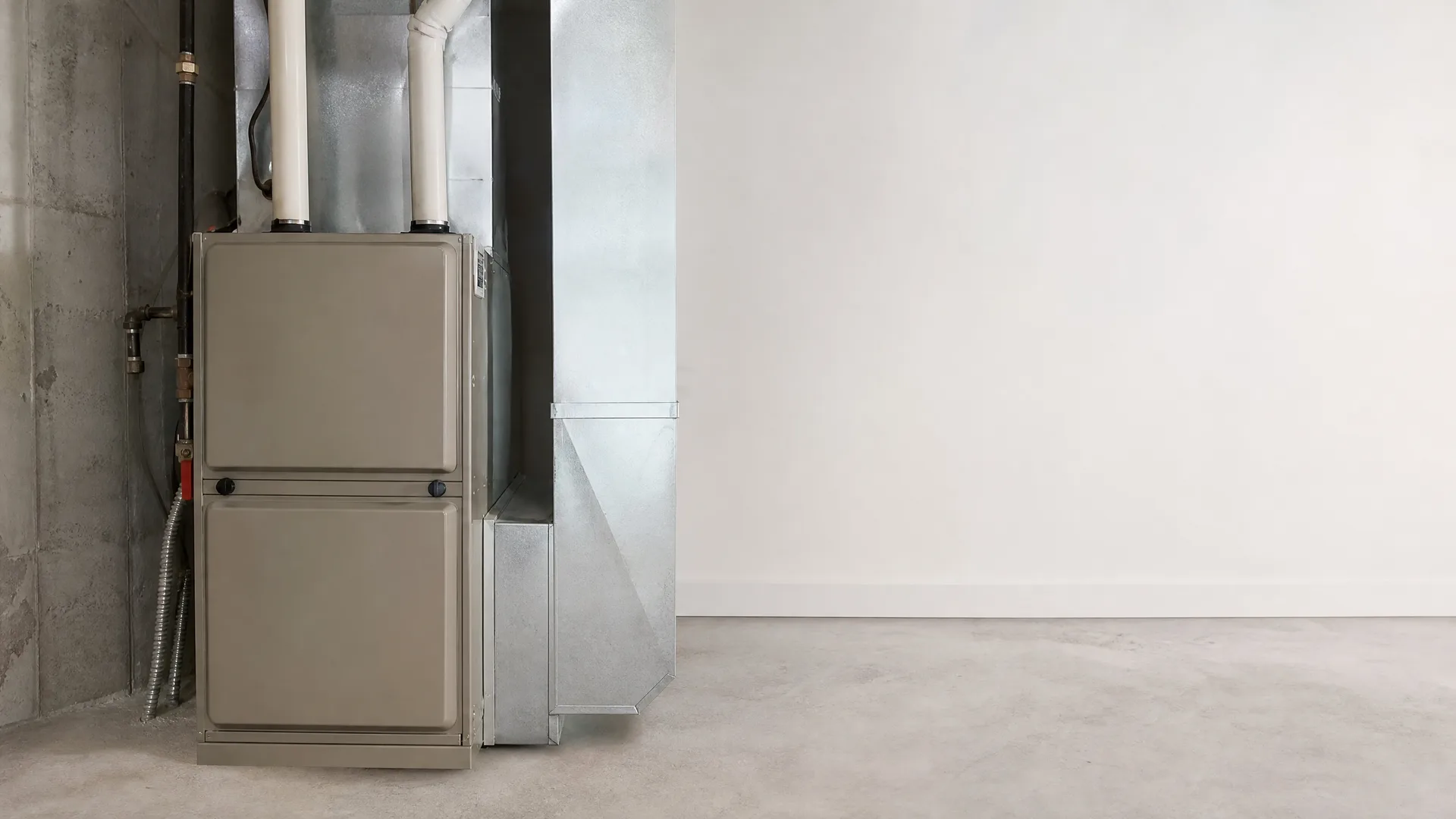
A beige high-efficiency furnace with two white PVC pipes stands beside sheet-metal ductwork and a concrete wall in an empty basement with a bare light-colored wall and concrete floor.

What the thermocouple actually does

The thermocouple is a small copper rod that sits right in the pilot flame. The heat from that flame generates a tiny electrical signal that holds the gas valve open. No signal, no gas. When the rod corrodes or shifts out of the flame, the valve shuts the pilot off as a safety measure. It's doing its job correctly. The part just can't read the flame anymore, so the furnace reads it as no flame at all.

A gray furnace with sheet-metal ductwork and white PVC vent pipes stands in the corner of a finished basement room with a blank beige wall and concrete floor.

Why dry air speeds this up

Nevada's dry air carries less moisture to slow corrosion, but it also means furnaces run harder once fall and winter settle in, and that extra cycling puts more wear on the thermocouple's tip. A rod that might last years in a damp climate can wear thin faster here. Dust from the dry months can also settle on the tip and throw off the reading. Either way, the fix is the same: a technician cleans or replaces the part and resets its position in the flame.

Why does my pilot light go out mostly when the furnace first kicks on for the season?

You turn the furnace on for the first time since spring and the pilot lights, then dies a minute later. Relight it and it happens again. By the third or fourth winter you've noticed this only seems to happen right at the start, before the furnace settles in. That pattern isn't random, and it points at something specific sitting inside the burner compartment.

Dust in the burner compartment settles over a hot summer and chokes the pilot when it first lights

A furnace that sits unused from April through October collects dust in the burner compartment and around the pilot assembly. Nevada's dry air doesn't help, since there's no humidity to weigh that dust down. When the pilot first lights for the season, that dust can smother the flame or block the small opening the gas flows through, so the flame burns weak or crooked instead of steady. A thermocouple reading a weak flame shuts the gas valve the same way it would for no flame at all. Once the furnace runs a few cycles and clears itself out, the pilot often holds fine, which is why this looks like a seasonal problem instead of a worn part. If it keeps happening past those first few tries, the thermocouple itself is worth checking.

A smiling man in a blue denim shirt over a white tee sits at a light stone kitchen counter with a grey mug and a bowl of oranges and bananas, with pendant lights and shelving behind him.
A smiling bearded man in a grey long-sleeved shirt sits at a kitchen counter with a dark mug, with a dining table, pendant light and glass doors onto greenery behind him.
A bearded man in a dark green knit sweater smiles and looks off to the side while standing at a kitchen counter with a white mug of coffee, with open shelving, a potted tree, and a dining table near large windows behind him.
A man with dark curly hair in a dark green sweater stands smiling and looking to the side in a kitchen with white cabinets, a potted plant, a stone countertop with a ceramic mug, and a dining area with framed art in the background.
A basement utility area with a gray furnace, sheet-metal ductwork, pipes, plastic-covered walls, a concrete floor, and a black shelving unit holding storage bins.
A furnace like this stays lit because the thermocouple is seated right in the flame and reading it correctly.
A gray metal furnace with louvered vent panels stands on a concrete basement floor beside galvanized ductwork, gas and plastic pipes, and foil-faced insulation along the ceiling and wall.
Rust on the cabinet is cosmetic, but it often means the pilot assembly inside has aged the same way.

You already know the pattern if you've relit that pilot more than once this winter. It goes out, usually at night or first thing in the morning, and you're down on the floor with a lighter again. That's the thermocouple telling you it's wearing out before it tells you it's done. Once it's actually done, there's no relighting anything. The valve won't hold a flame no matter how many times you try, and you're without heat until someone replaces the part. In between those two points, the furnace is cycling gas through a valve that isn't reading the flame correctly, which isn't something to just live with for months. Nevada doesn't ask much of a furnace most of the year. It sits through a long stretch of dry heat, then gets switched on for a cold snap with no chance to warm into the work. That's exactly when a weak thermocouple shows its hand. Ignore it and the relights get more frequent, the nights get less certain, and sooner or later it won't start at all on the morning you need it most.

What a bad thermocouple costs you

  • A pilot that won't stay lit after October or November means you're relighting it by hand every time it drops, which gets old fast once the weather turns.
  • If the thermocouple finally fails instead of just weakening, the furnace won't hold a flame at all and you're without heat until it's replaced.
  • A furnace that keeps shutting its pilot off is cycling gas through the valve without burning it cleanly, which isn't something to leave alone through a whole winter.
  • Nevada's dry heat eight months a year and then a cold snap means your furnace sits idle most of the year and gets asked to work hard with no warm-up, which is when a tired thermocouple shows itself.
  • Letting it go means more relights, more guessing about whether it'll hold overnight, and eventually a furnace that won't start at all on a cold morning.
A smiling man in a dark blue T-shirt sits on a light gray sofa in a living room with a wooden shelf and window behind him, with a laptop edge visible in the foreground.
A bearded man in a plaid flannel shirt sits indoors looking out a window at snow-covered trees, with a steaming mug on the sill and wooden kitchen shelves behind him.
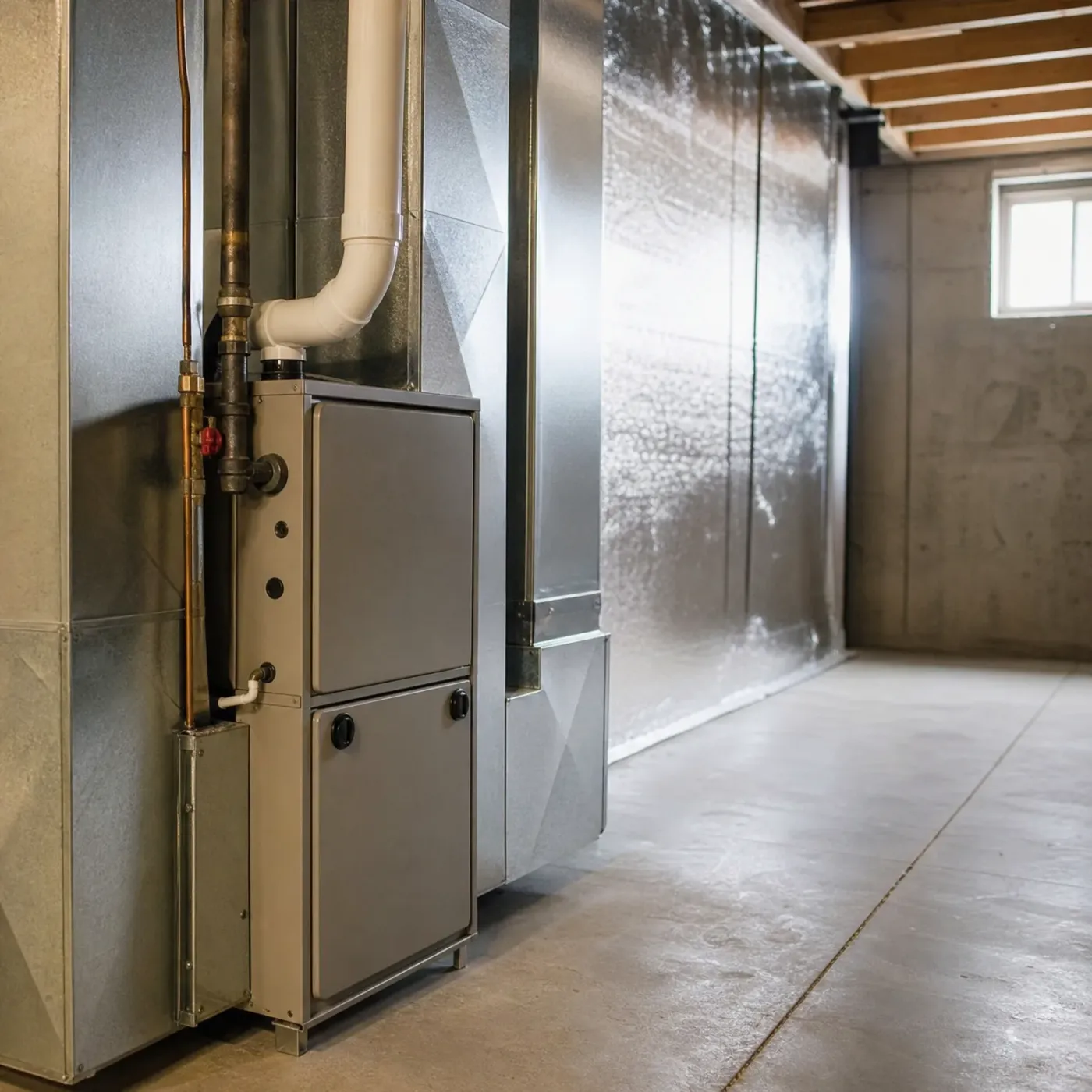
A gray high-efficiency furnace on a concrete pad in an unfinished basement, with white PVC vent pipes, galvanized sheet-metal ductwork, insulated walls and a small window in the background.

Hand off the search today

Skip searching for a furnace pro and answer a few questions instead.

After you send the request, you're done searching.

Hand it over

There's no charge for the request.

Why does my pilot light keep dying on me

You've probably relit it two or three times already, maybe standing there holding the gas valve knob down for a minute like the manual says, and it still won't hold. Sometimes it goes out the same night you lit it. Sometimes it makes it a few days and then you walk by and the house feels cold and you know before you check. If you smell gas when it's out, that's the pilot not catching and the valve still cycling. Left alone, a furnace that won't hold a pilot just won't run, and on a cold night in Nevada that means no heat until someone fixes the thermocouple, not just until someone relights it.

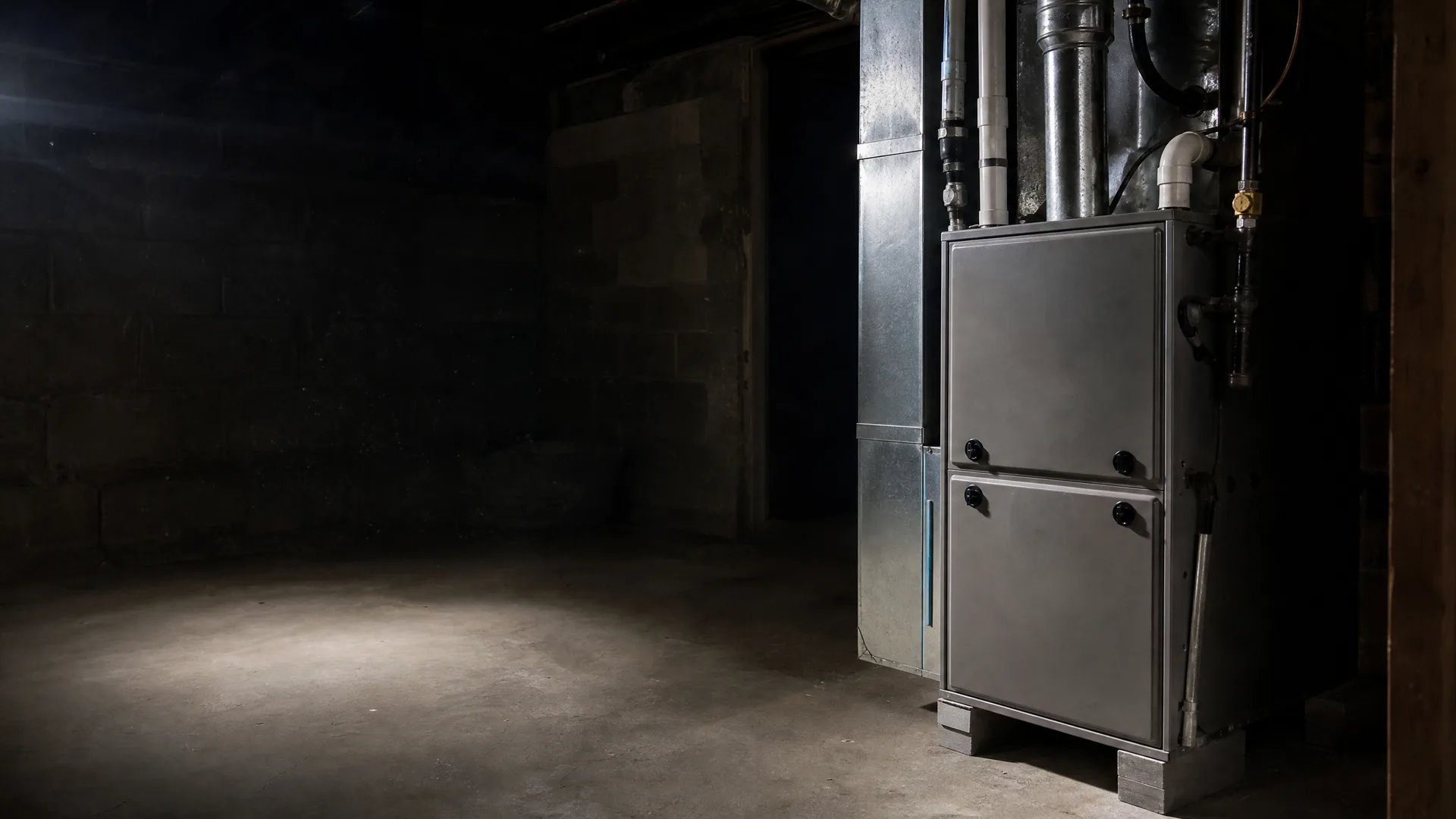
A gray furnace with ductwork and pipes stands against the wall of a dim concrete-block basement with a bare concrete floor lit by a single light.

It's just past six and the house has gone cold enough that you noticed in the kitchen. Downstairs, the furnace sits dark. You pulled the cover off twenty minutes ago and relit the pilot the way you have three times this week, held the knob down a full minute, let go, and watched it die again. The bulb overhead throws a thin light across the burner and a little dust hangs in the air where you brushed against the cabinet. Outside it's the first real cold snap of the year, the kind Nevada gets once the dry heat finally breaks. You're crouched there with the lighter still in your hand, looking at a flame that isn't there anymore.
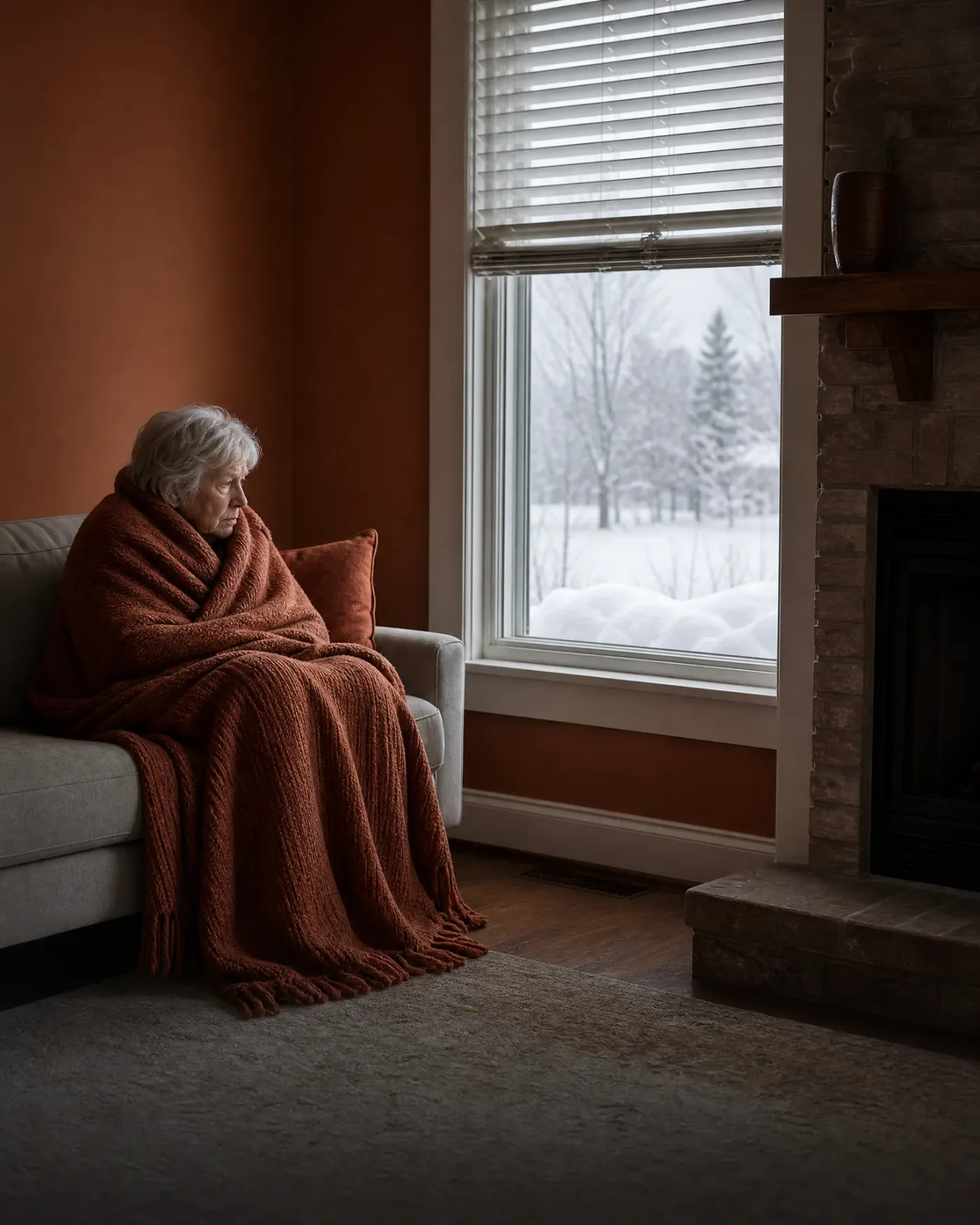
Winter nights average 33°F statewide

Nights here average 33°F through December, January and February, so your furnace is holding a flame most nights for months at a stretch. A thermocouple that's starting to go only has to slip once in all that running time to leave you relighting the pilot in the cold.

NOAA nClimDiv 1991-2020 county normals weighted by homes

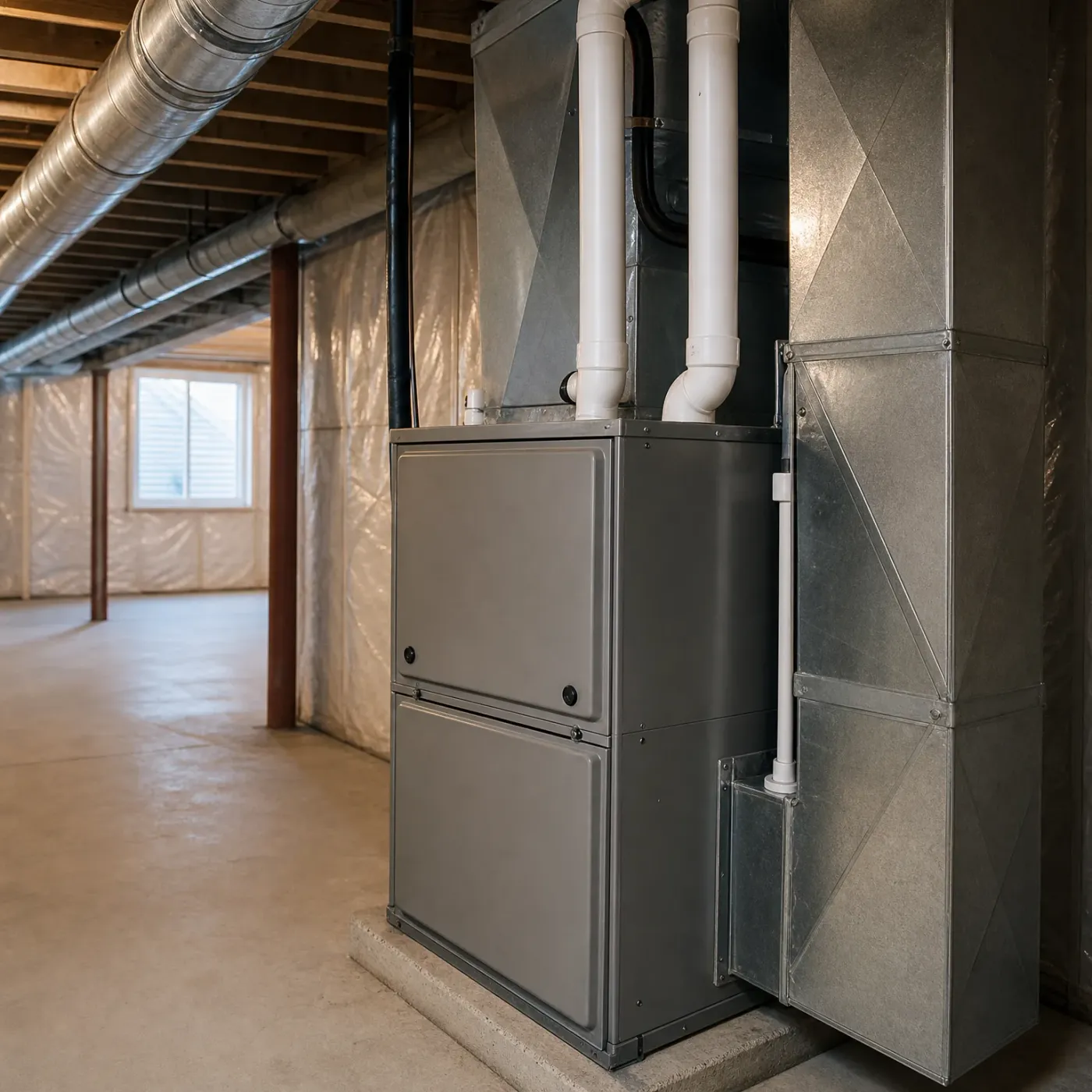
A gray furnace with white PVC vent pipes stands beside sheet-metal ductwork in a basement with a smooth concrete floor, exposed wood framing, and plastic sheeting on the walls.

Furnace holding steady

The pilot stays lit and the burners cycle on and off the way they should. The thermocouple sits in the flame, reads it correctly, and keeps the gas valve open without you touching anything. Gas lines and vent pipe run clean along the wall behind it.

A beige furnace with two access panels stands against a concrete basement wall, with galvanized sheet-metal ductwork, a white PVC pipe, flexible conduit and insulated ducting around it.

Furnace losing the flame

The rust on this cabinet is cosmetic, but the pilot assembly behind it has usually aged just as hard. The flame won't hold, the valve reads no signal, and you're back down at the furnace relighting it by hand. The flue above still draws fine; the thermocouple below doesn't.

A gas furnace with a louvered upper panel stands on a concrete pad in a basement, flanked by sheet-metal ductwork, white PVC and metal pipes, and insulated columns.
Before you get your furnace repair
A dark high-efficiency furnace on a concrete pad in a basement, connected to galvanized ductwork, white PVC vent pipes, and copper and black gas piping, with concrete walls and wood framing nearby.
After you get your furnace repair
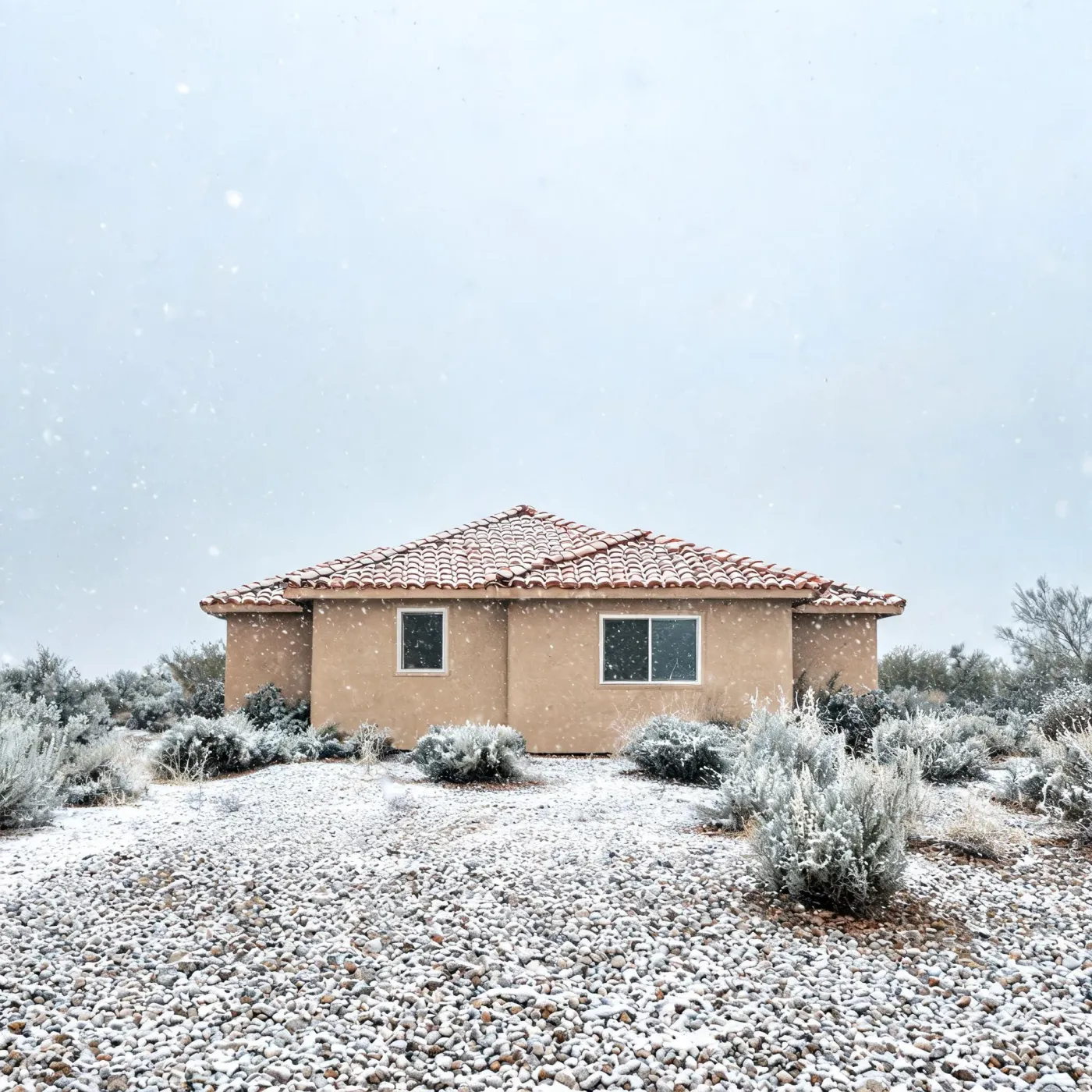
A single-story tan stucco house with a red tile hipped roof stands in falling snow, surrounded by frost-covered desert shrubs and a gravel ground under a pale overcast sky.

Statewide, winter nights average 33°F through December, January and February, according to NOAA climate data. That's not brutal cold, but it's enough that your furnace is lighting and holding a flame on most nights for three straight months. A thermocouple that's already worn doesn't need a hard freeze to fail, it just needs enough hours in that pilot flame to finally slip out of position or corrode past the point of reading the flame right. That's why the pilot tends to start going out partway through winter rather than the first night you use it. Once it starts, it usually keeps happening, and relighting it by hand becomes part of your evening until the thermocouple itself gets looked at.

NOAA nClimDiv 1991-2020 county normals weighted by homes

Relight It Yourself or Get It Fixed

Relight it yourself

  • You hold the gas valve knob down for a full minute every time it goes out, which means being home when it fails.
  • A thermocouple that's just started to weaken might hold for a few more weeks before it gets worse.
  • If you relight it wrong or too many times, you're still guessing at the real cause instead of fixing it.
  • Nothing about the part itself changes, so the same night-time relight is waiting for you again once it's cold enough.
  • You're the one checking the pilot every morning through December and January to see if it held overnight.

Get it repaired

  • A licensed contractor can tell you whether it's the thermocouple itself or how it's seated against the flame.
  • Replacing a worn thermocouple is a routine part swap, not a rebuild of the furnace.
  • Once it's done, the furnace holds its pilot through the cold nights without you touching the valve.
  • You stop relighting it by hand every time it drops out overnight.
  • Sending the form once means you're not the one calling around Nevada contractors or explaining the problem again on a second or third call.
A beige high-efficiency furnace with white PVC vent pipes stands beside galvanized sheet-metal ductwork in a basement with a concrete floor, exposed wood studs, and metal piping along the wall.

Furnace running the way it should

This furnace vents through PVC pipe, not metal flue, so the burner compartment stays sealed off from the room. The pilot or igniter sits exactly where it was set at install, in the ductwork plenum, holding steady night after night.

An older beige furnace with a louvered vent panel stands on a concrete basement floor beside galvanized sheet-metal ductwork, a metal flue pipe and vertical pipes along a concrete wall.

Furnace losing the pilot

This older unit vents through a flexible metal flue into the block wall, and the cabinet shows its age. A pilot assembly that's drifted out of position in a cabinet like this is what keeps sending you back downstairs to relight it.

A wooden table in the foreground holds a closed laptop and a ceramic mug of coffee, with a spindle-back wooden chair behind it, a beige wall with paneled wainscoting, a window at left, and a kitchen counter with a cutting board, bowl of fruit and greenery at right.

A pilot that won't stay lit is a worn thermocouple

A pilot light that keeps going out comes down to the thermocouple almost every time. It's worn, it's out of position, or it's failed outright, and relighting it by hand only holds you over until it drops again some night this winter. A licensed contractor can confirm which it is and seat or swap the part so the furnace holds a flame on its own.

Right now that probably means you've got a list going: who's licensed in your area, who answers the phone, who can actually get out to look at it before the next cold night. Send the form and that list stops being your problem. No more calling around, no more explaining the pilot's been out three times this week to a second or third company, no more sorting through quotes that don't quite match. You did the part that mattered, you caught it instead of living with a cold furnace. Finding the right person to fix it is the part you can hand off.

A gray upholstered sofa with a beige cushion and knit blanket beside a curtained window, with a white mug and a book on a dark wooden table in the foreground and a lit lamp in the background.
A gray furnace with a white PVC vent pipe and copper piping stands beside large galvanized sheet-metal ducts in an unfinished basement with concrete floor, concrete walls, foil-faced insulation, and a small window.

Hand off the furnace problem

Hand off my repair

One form replaces the calls you'd make to find a furnace pro.

You only hire the pro if you want to.