Tell us about the job
Takes about a minute. No obligation.
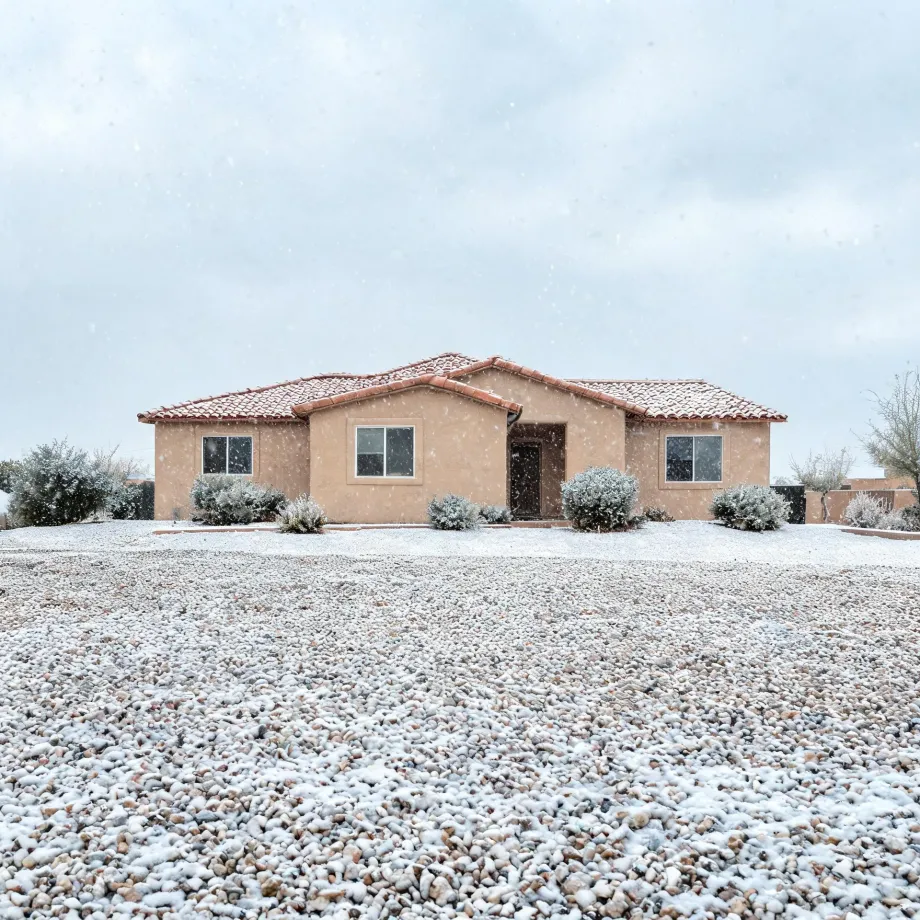
Sizing a furnace for this house is not a calculation a contractor can borrow from a neighboring county and call close enough. Homes in Pershing County, NV run heat about eight months a year, from October through May. The burner and heat exchanger cycle through that entire stretch with very little off time, and parts that are stressed by a poor installation reveal it sooner than they would in a shorter season. A contractor quoting a new furnace here needs to run a proper load calculation against the structure, because undersizing does not hide well when the equipment is asked to run this long.
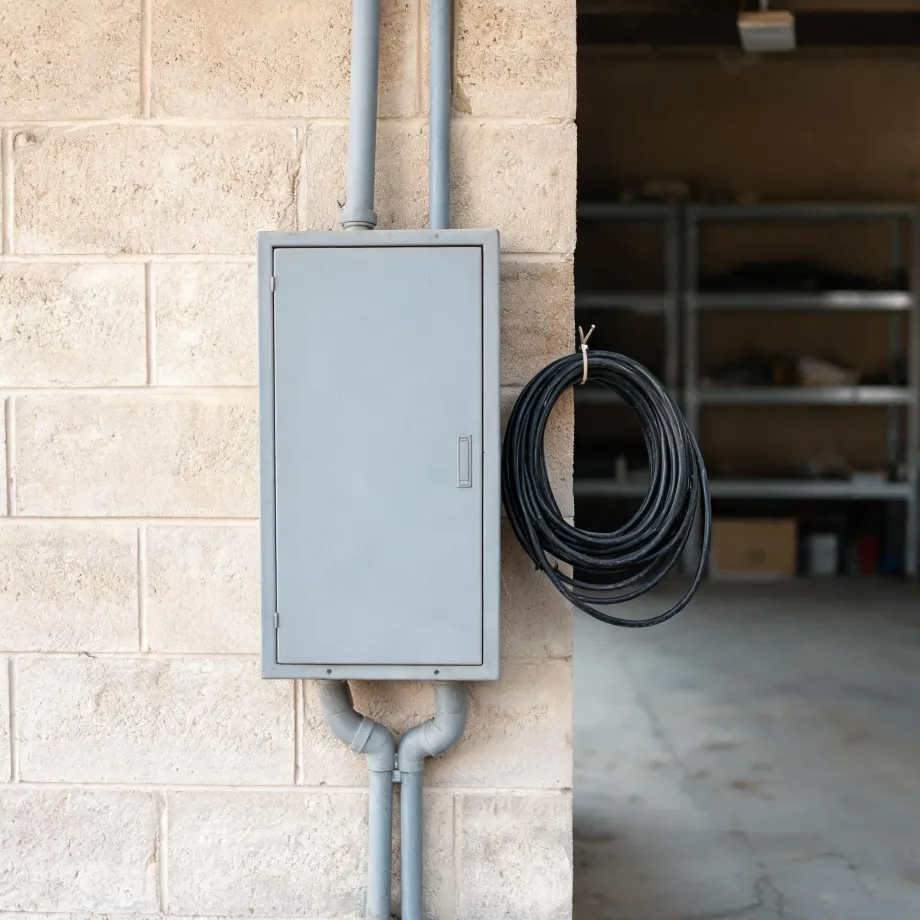
Ductwork in a house carries the load a system puts through it, and stock ducted for lower-output equipment can fall short of what a modern furnace demands. Half the homes in Pershing County, Nevada were built in 1984 or earlier (2020-2024 ACS 5-year). A contractor quoting a furnace installation here sizes the new unit against what the existing duct network will actually move, not what it was originally built to move. Where the two do not match, the ductwork gets modified before the new furnace goes in. The electrical service gets the same check, since a modern unit draws what it draws regardless of what the house was wired for.
What Gets Installed With a New Furnace
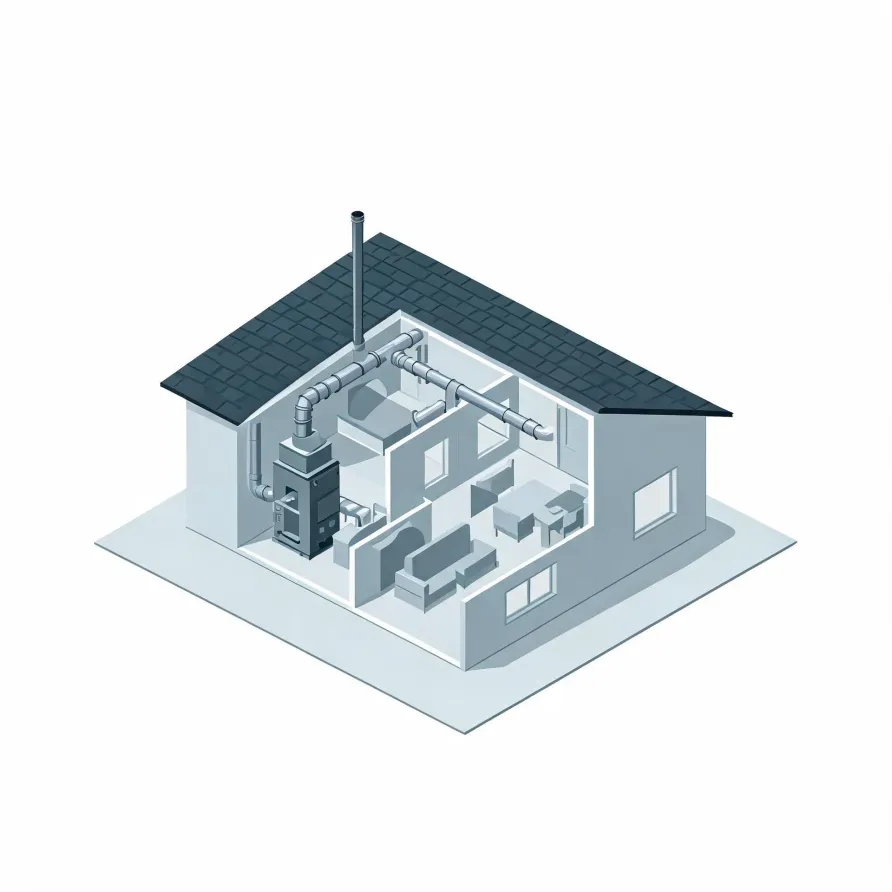
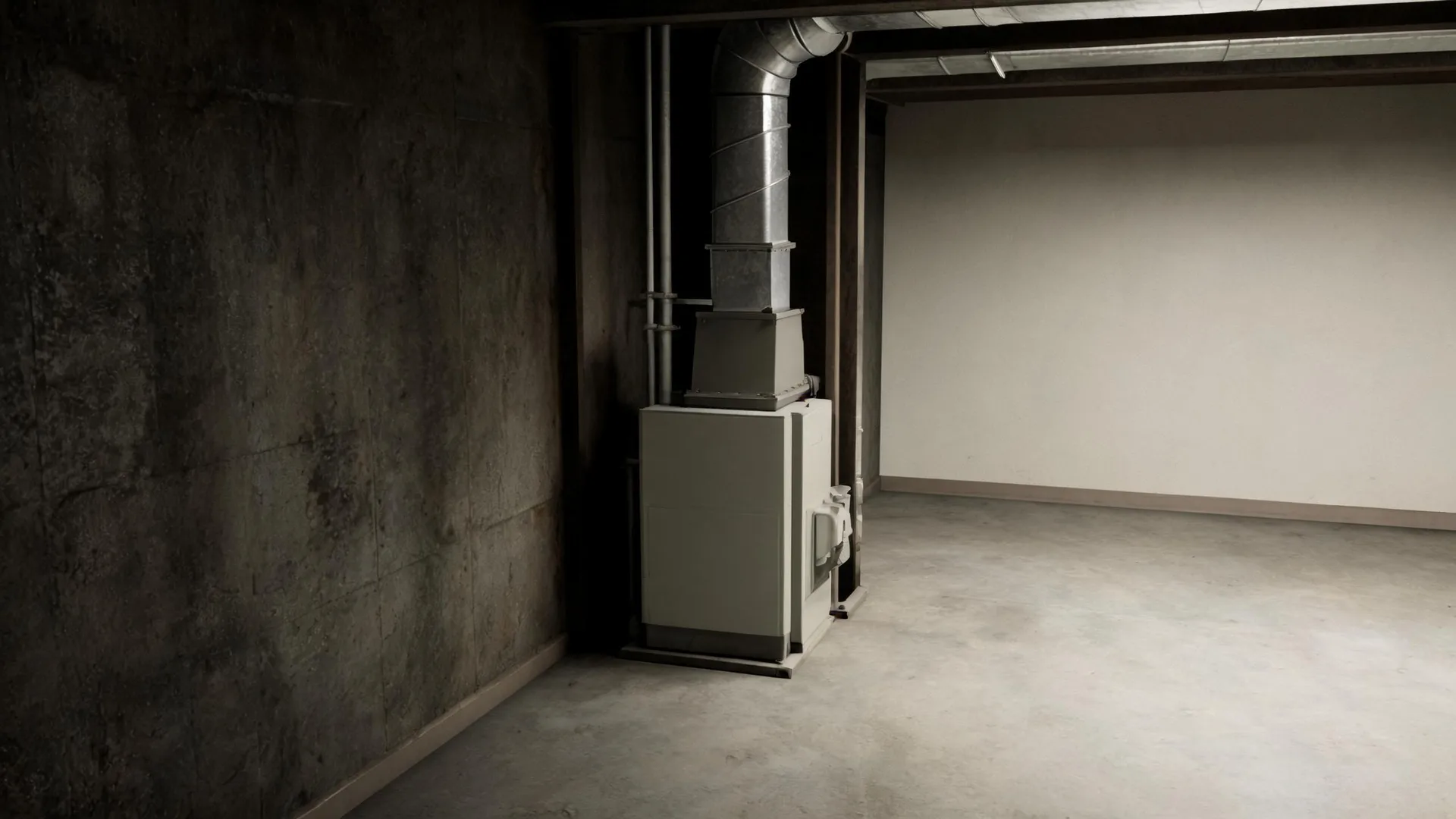
The furnace itself sits in a utility room, basement, or closet and is the unit a homeowner sees when they look at the system. A contractor sets it on a level surface, connects it to the gas supply, and ties it into the home's existing duct openings. The flue pipe runs from the furnace to an exterior wall or roofline and carries combustion exhaust out of the house.
The air handler components built into the furnace cabinet include the blower, heat exchanger, and burner assembly, all housed in the same metal cabinet. A contractor also installs the thermostat on an interior wall, which is the control point the homeowner uses daily. The filter housing mounts at the return-air opening, right where air re-enters the furnace from the house.
The drawing shows the general layout of a furnace system, and a licensed contractor determines what applies to the specific configuration of your home.
Get matched in Pershing CountyPershing County, by the numbers
63 severe weather events were recorded in Pershing County, Nevada between 2015 and 2024.
NOAA National Centers for Environmental Information, Storm Events Database, bulk CSV export, events 2015-01-01 through 2024-12-31.Half the homes in Pershing County, Nevada were built in 1984 or earlier (2020-2024 ACS 5-year).
U.S. Census Bureau, 2020-2024 American Community Survey 5-Year EstimatesPershing County, Nevada holds 2,297 housing units (2020-2024 ACS 5-year).
U.S. Census Bureau, 2020-2024 American Community Survey 5-Year EstimatesOwners occupy 73.0% of the occupied homes in Pershing County, Nevada (2020-2024 ACS 5-year).
U.S. Census Bureau, 2020-2024 American Community Survey 5-Year EstimatesCodes & Standards for Furnace Installation in Pershing County, Nevada5 sourced rules and standards
What the installation actually looks like
Non-weatherized gas furnaces manufactured on or after November 19, 2015 must reach 80.0 percent AFUE.
Non-weatherized oil-fired furnaces manufactured on or after November 19, 2015 must reach 83.0 percent AFUE.
Mobile home gas furnaces manufactured on or after November 19, 2015 must reach 80.0 percent AFUE.
Non-weatherized gas furnaces manufactured on or after December 18, 2028 must reach 95.0 percent AFUE, up from the 80.0 percent minimum that applies to units manufactured before that date.
Licensing Rules for Pershing County, Nevada
In Nevada refrigeration and air-conditioning work is specialty contracting, and a general building contractor may not perform it without holding the licence for that specialty.
Severe Weather in Pershing County
Pershing County's climate puts real demands on heating equipment, and those demands shape what a furnace here needs to handle over its lifetime. Weather history is part of sizing and installing a system that holds up to local conditions.
63 severe weather events, 2015–2024. Source: NOAA National Centers for Environmental Information, Storm Events Database.